

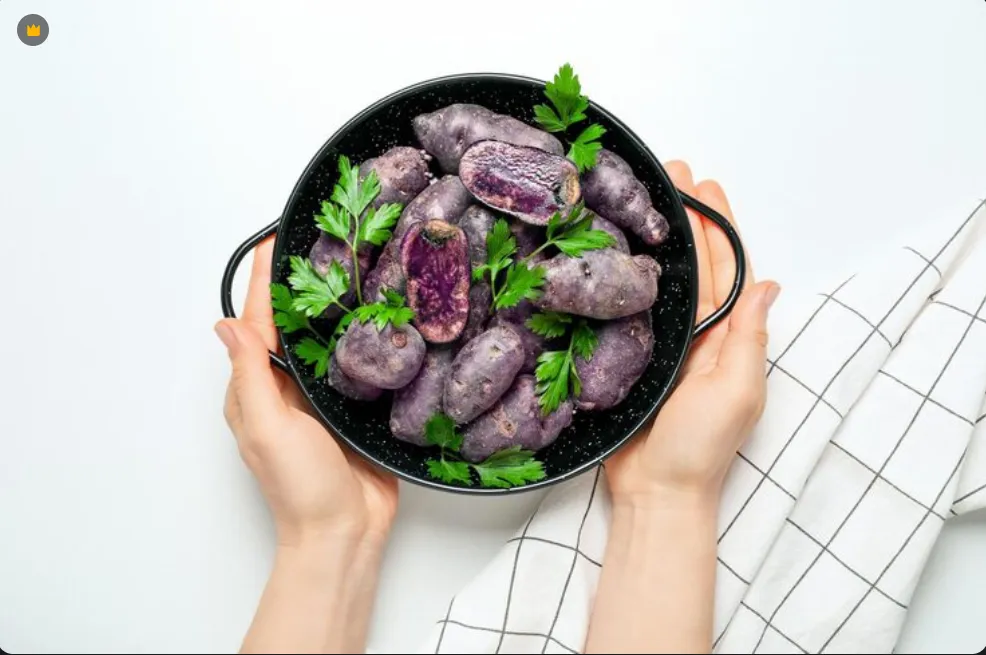
A deep purple color that looks almost unreal, a flavor that feels familiar yet distinctive, and a texture that blends smoothly into countless recipes that is the appeal of ube in modern cooking. If you have seen bright violet cakes, lattes, or pancakes on social media and wondered how to recreate them at home, you are in the right place. Ube, a purple yam widely used in Filipino cuisine, has moved far beyond traditional desserts and is now a favorite ingredient in bakeries, cafés, and home kitchens across the United States. Understanding how to use ube properly makes the difference between a recipe that looks good and one that tastes balanced. Its flavor carries gentle notes of vanilla, pistachio, and sweet potato, with an earthy backbone that supports both sweet and savory creations. In powdered form, it becomes incredibly practical: shelf-stable, easy to measure, simple to incorporate. If you want precise, practical answers about how to cook with ube, how to balance its sweetness, and how to make the most of its natural color, the sections below will give you exactly that.
Understanding what ube powder brings to a recipe
Ube powder is made from dehydrated and finely ground purple yam. Unlike artificial flavorings or food colorings, it provides both natural pigment and authentic taste. The color ranges from lavender to deep royal purple depending on concentration, pH, and cooking method. Heat does not destroy its color easily, which makes it reliable for baking and custards. From a flavor perspective, ube is mildly sweet with nutty undertones. It does not overwhelm a dish. That subtlety allows it to blend with dairy, coconut milk, chocolate, or even cheese without clashing. When added to batters, it slightly thickens the mixture due to its starch content. That means hydration matters. Recipes using ube powder often benefit from a small increase in liquid ingredients.
For those who want consistent results, using a high-quality ube powder ensures strong color concentration and clean flavor. Lower-quality powders sometimes appear dull or muted, which can affect both appearance and taste. In practical terms, ube works best when sifted before mixing. That prevents clumping. It dissolves easily in warm liquids, making it suitable for custards, pastry creams, and beverages. In baked goods, combining it with flour before adding wet ingredients distributes the pigment evenly. The result is a uniform purple crumb instead of streaks. Think of ube as a natural flavor enhancer that also paints your food. It acts almost like edible velvet, wrapping recipes in smooth sweetness without making them heavy. Understanding this balance allows you to use it confidently across multiple cooking styles.
How to use ube in baked goods?
Baking is where ube in desserts truly shines. Cakes, cupcakes, cookies, brownies, breads, and pastries all benefit from its moisture-retaining starch and subtle sweetness. When used in sponge cakes, it creates a tender crumb with a visually striking interior. Because it carries mild sweetness, reducing sugar slightly can prevent an overly sweet final product. Ube pairs particularly well with:
- coconut
- white chocolate
- cream cheese
- condensed milk
- macadamia
- vanilla
In yeast breads such as brioche or milk bread, ube powder can be mixed into the dough for a soft purple swirl effect. Hydration adjustments matter here. Adding one to two extra tablespoons of liquid per quarter cup of ube powder maintains elasticity. Without that, dough may feel slightly tight. For cookies and brownies, ube creates a fudgy interior while delivering a colorful twist. Because the powder contains natural starch, it can slightly increase density. Incorporating a bit of baking powder or baking soda ensures proper lift.
Cheesecake is another strong application. Mixing ube into the cream cheese base results in a smooth lavender filling that tastes lightly nutty. The contrast between a graham crust and purple filling feels dramatic yet refined. When baking with ube, temperature stability helps preserve its vibrant tone. Standard oven temperatures between 325°F and 350°F work well. Overbaking may dull the color slightly, so checking doneness early protects both flavor and appearance.
Using ube in beverages and creamy preparations
Ube is not limited to solid foods. In beverages, it performs beautifully. Lattes, milkshakes, smoothies, and iced drinks benefit from its ability to dissolve in warm liquid before blending with cold ingredients. The result is a smooth, evenly colored drink without gritty texture. An ube latte typically combines warm milk, a small amount of dissolved ube powder, sweetener, and optional espresso. The flavor feels comforting, similar to vanilla with a roasted undertone. When paired with coconut milk, it develops deeper tropical notes.
In frozen drinks, blending ube powder with banana or vanilla ice cream enhances creaminess. Because ube contains starch, it subtly thickens the beverage, creating a luxurious mouthfeel. It behaves almost like a built-in stabilizer. Custards and pastry creams also respond well to ube. When whisked into warm milk before thickening with egg yolks, it produces a silky purple filling suitable for éclairs, cream puffs, or layered desserts. Gentle heating preserves flavor integrity. High heat can mute aromatic notes.
Ice cream applications are especially popular. Adding ube powder to a custard base before churning ensures full color integration. The finished product carries a pastel violet shade that looks almost like edible twilight. A small amount of salt heightens its nutty dimension. In these creamy contexts, ube acts like a quiet background instrument in an orchestra. It supports sweetness without dominating. That balance is why it adapts so well to dairy-heavy recipes.
Can ube be used in savory dishes?
While most people associate ube with sweets, it can be incorporated into savory cooking with thoughtful pairing. Its mild sweetness resembles sweet potato, which means it fits alongside roasted vegetables, grilled meats, and creamy sauces. Ube powder can be rehydrated into a mash and used as a base for plated dishes. Combining it with garlic, butter, and a pinch of salt produces a vibrant alternative to traditional mashed potatoes. The color contrast against seared protein adds visual impact without altering the dish dramatically.
In pasta dough, small quantities create purple noodles. Because starch content influences texture, adding an egg yolk helps maintain elasticity. The final pasta remains tender with subtle earthy undertones. Savory pancakes or waffles infused with ube pair nicely with fried chicken or crispy pork. The slight sweetness complements salty elements. Spices such as black pepper or smoked paprika offset its gentle sugar notes. In sauces, blending ube into coconut-based curries adds body and color depth. It thickens the liquid slightly while introducing a mild background sweetness. Used sparingly, it enhances rather than competes.
The key in savory contexts lies in moderation. Too much powder shifts the dish toward dessert territory. Balanced carefully, it becomes a creative way to introduce color and complexity without artificial additives.
Tips for storing and measuring ube powder correctly
Proper storage maintains both flavor and color intensity. Ube powder should be kept in an airtight container away from light and humidity. Exposure to moisture can cause clumping. Storing it in a cool pantry preserves vibrancy for several months. When measuring, spooning and leveling produces more consistent results than scooping directly with a measuring cup. Because powder density can vary, weighing it with a kitchen scale ensures precision. Most baking recipes perform well with 2 to 4 tablespoons per cup of flour, depending on desired color strength.
Hydration adjustments remain important. Adding small increments of liquid prevents dryness. Testing recipes in small batches before scaling up minimizes waste and ensures optimal texture. Color intensity depends on concentration. For pastel shades, smaller quantities work well. For dramatic violet tones, increasing the amount gradually prevents bitterness or starch heaviness. Using ube effectively requires attention to balance rather than guesswork. Once you understand how it interacts with liquid, sugar, and heat, it becomes a versatile pantry staple.
Bringing color and flavor into your kitchen
Ube offers more than a visual statement. It delivers subtle sweetness, gentle earthiness, and remarkable versatility across baking, beverages, and even savory dishes. Whether folded into cake batter, whisked into a latte, or transformed into a vibrant mash, it provides a natural way to elevate both flavor and presentation. If you enjoy experimenting with ingredients that combine authenticity and creativity, ube deserves a place in your kitchen. Which recipe will you try first?