

A Catholic pilgrimage is more than a vacation with church visits added to the itinerary. It is an intentional journey of prayer, reflection, conversion, and encounter with God. Pilgrims step away from ordinary routines to visit sacred places, honor the saints, participate in the sacraments, and deepen their understanding of the Catholic faith.
From Rome and Assisi to Lourdes and Santiago de Compostela, every pilgrimage is different. Yet the most meaningful journeys share one quality: they begin with spiritual purpose. This Catholic pilgrim travel guide will help you plan a trip that is practical, prayerful, and memorable.
1. Begin With a Clear Intention
Before selecting flights or accommodations, ask why you feel called to make the pilgrimage. Your intention may be to seek guidance, pray for healing, give thanks, honor a loved one, or reconnect with your faith.
Write your intention in a journal and return to it throughout the journey. You may also invite family and friends to share prayer requests that you can carry with you.
A pilgrimage does not need to be physically demanding or take place far from home. Visiting a regional shrine, historic cathedral, monastery, or saint’s church can also become a meaningful act of devotion.
2. Choose the Right Catholic Pilgrimage Destination
Select a destination that connects with your spiritual interests, physical abilities, time, and budget.
Popular options include:
-
Rome, for the four papal basilicas, the tombs of saints and apostles, and the history of the universal Church. The Vatican presents the papal basilicas as places where visitors can move from tourism toward a genuine experience of pilgrimage.
-
Assisi, for the spirituality of St. Francis and St. Clare
-
Lourdes, for Marian devotion, prayer, healing, and service to the sick. The sanctuary welcomes both organized groups and independent pilgrims from many countries and backgrounds.
-
Santiago de Compostela, for travelers who want to walk part or all of the Camino
-
Fatima, for devotion to Our Lady and the message of prayer
-
The Holy Land, for visiting places connected with the life, ministry, death, and Resurrection of Christ
First-time pilgrims may prefer an organized group, while experienced travelers may enjoy the freedom of planning an independent journey.
3. Prepare Spiritually Before Leaving
A pilgrimage begins before the day of departure. Set aside several weeks for spiritual preparation.
Consider:
-
Attending Mass regularly
-
Receiving the Sacrament of Reconciliation
-
Reading about the destination’s saints and history
-
Praying a novena connected to the pilgrimage
-
Reducing unnecessary distractions
-
Beginning a pilgrimage journal
-
Asking your parish priest for a blessing
This preparation helps prevent the journey from becoming a rushed sightseeing trip. It also gives greater meaning to the churches, relics, shrines, and traditions you encounter.
4. Create a Balanced Itinerary
It can be tempting to fill every day with basilicas, museums, tours, and religious sites. However, an overcrowded itinerary leaves little time for prayer or reflection.
Plan one or two main spiritual experiences each day, such as:
-
Attending Mass
-
Visiting a saint’s tomb
-
Praying the Rosary at a shrine
-
Joining a procession
-
Walking a short pilgrimage route
-
Spending time in Eucharistic adoration
-
Participating in Confession
Include time for meals, rest, personal prayer, and quiet walks. A pilgrimage should challenge you, but it should not feel like a race.
Official sanctuary resources can also make planning easier. For example, Lourdes provides a mobile application with practical information, pilgrimage programs, directions, and historical background.
5. Pack Light but Thoughtfully
Pilgrims often walk long distances, use public transportation, and move between accommodations. A heavy suitcase can quickly become a burden.
Essential Catholic pilgrimage items include:
-
A lightweight rosary
-
A pocket Bible or prayer book
-
A small crucifix or saint medal
-
A rosary case
-
A notebook and pen
-
Modest clothing for churches
-
Comfortable walking shoes
-
Refillable water bottle
-
Small first-aid kit
-
Portable phone charger
Bring layers that can be added or removed easily. Even during summer, some churches, mountain routes, and early morning services may feel cool.
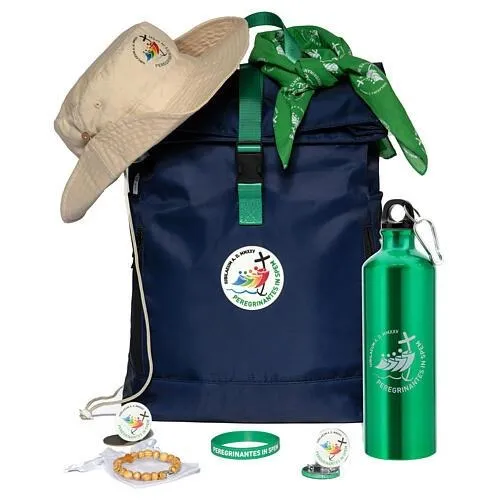
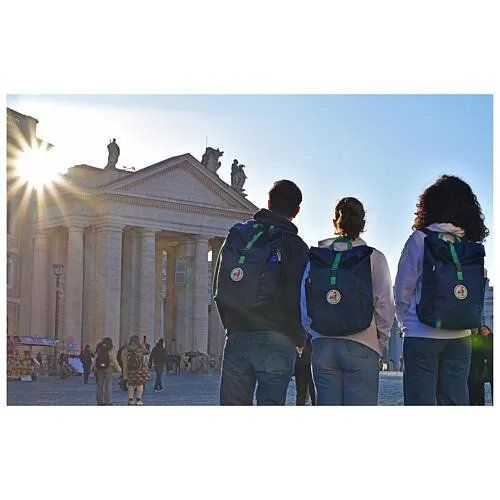
Holyart offers travel pilgrim backpacks, pocket crucifixes, saint medals, religious jewelry, prayer books, compact icons, and protective rosary cases that fit easily into a pilgrim backpack.
6. Respect Sacred Places
A basilica, shrine, or monastery is not simply a tourist attraction. Dress modestly, silence your phone, follow photography rules, and avoid interrupting services.
When visiting relics or the tomb of a saint, allow others space to pray. Speak quietly and observe the customs of the sanctuary. A respectful attitude helps preserve the prayerful atmosphere for everyone.
In Rome, pilgrims have followed routes between churches and the tombs of martyrs for centuries. The traditional Seven Churches pilgrimage remains one example of experiencing the city through prayer rather than sightseeing alone.
7. Budget for the Entire Journey
Create a budget that includes transportation, lodging, meals, admission fees, insurance, donations, and souvenirs. Leave room for unexpected expenses.
Religious guesthouses, monasteries, retreat centers, and simple family-run accommodations may offer good value. Save money by using public transportation, carrying water, and eating some meals from local markets.
Choose one meaningful religious souvenir rather than many small purchases. A rosary, icon, medal, or crucifix connected to the destination can become a lasting reminder of the pilgrimage.
8. Continue the Pilgrimage at Home
The journey does not end when you unpack. Review your journal, organize photographs, pray for the people you met, and reflect on what changed within you.
Consider creating a prayer corner with your pilgrimage crucifix, icon, rosary, or holy card. Share the experience with your parish or family, but also identify one habit you want to continue, such as daily prayer, regular Confession, Scripture reading, or service to others.
The ultimate Catholic pilgrimage is not measured by distance traveled or the number of churches visited. Its deepest value is found in the renewed faith, gratitude, and spiritual direction that the pilgrim carries home.