


Last Updated: December 2, 2025
Tupilipalem Beach is a tranquil, lesser-known coastal stretch in Andhra Pradesh’s Prakasam District that offers visitors peaceful shores, authentic fishing village culture, and natural beauty away from commercialized tourist spots.
Disclaimer: This article provides general information about Tupilipalem Beach based on available data and field research. Travel conditions, accessibility, and local regulations may change. Always verify current information with local authorities before planning your visit. Weather patterns and seasonal variations can affect beach conditions.
Quick Facts About Tupilipalem Beach
| Feature | Details |
|---|---|
| Location | Tupilipalem Village, Prakasam District, Andhra Pradesh |
| Nearest City | Ongole (approximately 15-20 km) |
| Beach Type | Natural, undeveloped coastline |
| Best Time to Visit | October to March |
| Crowd Level | Low to moderate |
| Water Conditions | Generally calm with moderate waves |
| Accessibility | Road access via local transport |
| Nearby Attractions | Vodarevu Beach, Kothapatnam Beach |
What Makes Tupilipalem Beach Different From Other Coastal Spots
Picture this: You’re tired of fighting crowds at popular beaches, dealing with aggressive vendors, and searching for a quiet spot to actually hear the waves. That’s where Tupilipalem Beach comes into the picture.
Located along the eastern coastline of Andhra Pradesh, Tupilipalem Beach remains one of those rare places where tourism hasn’t completely transformed the local character. The beach sits quietly in Prakasam District, about 15-20 kilometers from Ongole town, maintaining its authentic fishing village atmosphere.
What strikes you first at Tupilipalem Beach is the simplicity. No flashy resorts lining the shore. No jet ski rentals or parasailing operators shouting for your attention. Just clean golden sand, the Bay of Bengal stretching endlessly before you, and local fishing boats adding colorful dots to the seascape.
The village of Tupilipalem itself gives the beach its name and character. Fishing families have called this place home for generations, and their daily rhythms—nets being mended, boats returning with catches, fish being sorted on the shore—create a living backdrop that’s increasingly rare along India’s developed coastlines.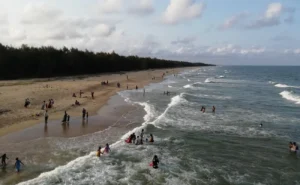
The Geography and Natural Setting
Tupilipalem Beach stretches along the Bay of Bengal coast, forming part of the extensive shoreline that defines Andhra Pradesh’s eastern boundary. The beach features relatively fine sand with a gentle slope into the water, making the initial wade-in gradual rather than sudden.
Wave patterns at Tupilipalem Beach vary with seasons. During the calmer months (October through March), the waters remain relatively gentle, though the Bay of Bengal never becomes completely still. Summer and monsoon months bring stronger waves and rougher conditions.
The coastal vegetation here hasn’t been cleared for development, so you’ll find casuarina trees providing natural shade along stretches of the beach. These trees, common along India’s eastern coast, create pleasant spots for resting between walks along the shore.
Seasonal Variations
| Season | Conditions | Visitor Experience |
|---|---|---|
| Winter (Nov-Feb) | Pleasant temperatures, calm seas | Best for swimming and beach walks |
| Summer (Mar-May) | Hot, moderate waves | Early morning/evening visits recommended |
| Monsoon (Jun-Sep) | Rough seas, rain | Not ideal for beach activities |
| Post-Monsoon (Oct) | Improving conditions | Good for photography |
How to Actually Get to Tupilipalem Beach
Let’s talk practical details, because “hidden gem” often means “challenging to find.”
Tupilipalem Beach sits approximately 15-20 kilometers from Ongole, which serves as the primary access point. Ongole itself connects well with major Andhra Pradesh cities through road and rail networks.
By Train: Ongole Railway Station receives trains from Chennai, Vijayawada, Visakhapatnam, and other major cities. From the station, you’ll need local transportation to reach Tupilipalem Beach—either auto-rickshaws or hired cars work well for this leg.
By Road: If you’re driving from Vijayawada, expect about 140 kilometers (roughly 2.5-3 hours). From Chennai, it’s approximately 300 kilometers (around 5-6 hours depending on traffic). The coastal road network in this region has improved significantly in recent years.
Local Transport: Once in Ongole, local buses run toward coastal villages, though schedules can be irregular. Most visitors find hiring an auto-rickshaw or cab more reliable for reaching Tupilipalem Beach specifically.
Pro tip from locals: Ask for “Tupilipalem village” rather than just “beach” when seeking directions, as the beach itself isn’t separately signposted.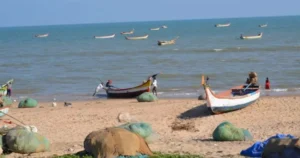
What You’ll Actually Experience at Tupilipalem Beach
Here’s what a typical visit to Tupilipalem Beach looks like, based on visitor experiences and field observations.
Morning Scene: Early mornings bring the fishing boats back to shore. If you arrive around 6-7 AM, you’ll witness the catch being unloaded, sorted, and prepared for market. Local women often handle the sorting process with impressive speed and skill. It’s authentic coastal life playing out naturally, not a staged “cultural show.”
Daytime Atmosphere: Unlike commercial beaches where activities compete for your attention, Tupilipalem Beach offers a simpler experience. Walking along the shore, collecting shells, watching the waves, talking with friendly locals—these become the main activities. The lack of structured entertainment is precisely the point for many visitors.
Evening Draws: Sunset at Tupilipalem Beach attracts a modest crowd of both locals and visitors. The sky transforms into shades of orange, pink, and purple as the sun descends into the Bay of Bengal. It’s peaceful rather than dramatic, which somehow makes it more memorable.
What’s NOT at Tupilipalem Beach
Honesty matters when setting expectations:
- No lifeguards on duty (swim at your own risk)
- Minimal food vendors (bring your own supplies or eat in Ongole)
- No changing rooms or shower facilities
- No overnight accommodation directly at the beach
- Limited mobile network coverage in some areas
- No ATMs nearby (carry sufficient cash)
The Local Culture and Fishing Community
Tupilipalem Beach gains much of its character from the fishing community that calls this area home. These aren’t people who moved here for tourism opportunities—their families have worked these waters for generations.
The fishing boats you’ll see are traditional designs, painted in bright blues, greens, and yellows. Each boat represents significant investment for the families who own them, serving as both livelihood tool and valued possession.
Fishing methods here remain largely traditional, though motorized boats have gradually replaced purely sail-powered ones. If you show genuine interest (respectfully, without interfering with work), locals often enjoy explaining their techniques, the types of fish common in these waters, and the challenges they face.
The village economy revolves almost entirely around fishing and related activities. Women play crucial roles in processing catches, maintaining nets, and managing household fish-drying operations that preserve the catch for later sale or consumption.
Comparing Tupilipalem Beach With Nearby Alternatives
Tupilipalem Beach exists within a coastline that includes several other beach destinations. Here’s how it compares:
| Feature | Tupilipalem Beach | Vodarevu Beach | RK Beach (Visakhapatnam) |
|---|---|---|---|
| Development Level | Minimal | Moderate | High |
| Crowd Factor | Low | Moderate | Very High |
| Commercial Activity | Very Low | Moderate | Very High |
| Accommodation | Village homestays | Several hotels | Extensive options |
| Food Options | Limited | Moderate | Extensive |
| Natural Setting | Well-preserved | Partially preserved | Heavily modified |
| Photography Appeal | High (authentic) | Moderate | High (urban beach) |
Best Time Windows for Your Visit
Tupilipalem Beach experiences distinct seasonal patterns that significantly affect visitor experience.
October to February represents the prime window. Temperatures remain comfortable (22-30°C), humidity drops from monsoon levels, and sea conditions stay relatively calm. This period sees the most visitors, though “crowded” at Tupilipalem Beach means a few dozen people rather than thousands.
March to May brings heat—temperatures can reach 35-40°C, making midday beach time uncomfortable. However, early morning (before 8 AM) and evening (after 5 PM) visits remain pleasant. The shoulder months (March and late May) offer decent conditions with fewer visitors.
June to September monsoon period makes Tupilipalem Beach largely unsuitable for typical beach activities. Heavy rains, rough seas, and strong winds characterize these months. However, if you’re interested in dramatic seascapes and stormy photography, brief monsoon visits (with proper safety precautions) can yield striking images.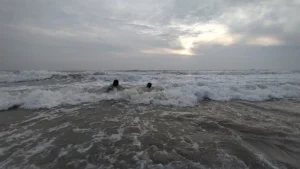
Practical Tips That Actually Matter
Based on visitor feedback and local knowledge, here’s what helps:
Timing: Arrive either early morning (6-9 AM) or late afternoon (4-7 PM) to avoid peak heat. Morning visits offer fishing activity viewing; evening visits provide better light for photography.
Supplies: Bring drinking water, snacks, sunscreen, and any other necessities from Ongole. The beach area has minimal commercial infrastructure.
Clothing: Lightweight, comfortable clothing works best. While it’s a relatively conservative area, typical beach wear is acceptable. Footwear that can get wet helps, as you’ll likely walk along the waterline.
Swimming: If you choose to swim, stay within shallow waters. The absence of lifeguards means you’re entirely responsible for your safety. Never swim alone, and avoid the water during rough conditions.
Photography: Tupilipalem Beach offers excellent photography opportunities, especially during golden hour. If photographing local people or fishing activities, always ask permission first. Most locals don’t mind, but respect matters.
Waste Management: No formal waste collection exists at the beach. Please carry back everything you bring. The beach’s cleanliness depends entirely on visitor responsibility.
Accommodation Options Near Tupilipalem Beach
Since Tupilipalem Beach itself has no hotels or resorts, you’ll need to stay in Ongole or explore homestay options in Tupilipalem village.
Ongole Options: The town offers several budget and mid-range hotels. Expect basic but clean rooms with essential amenities. Book ahead during peak season (November-January) and during local festivals.
Village Homestays: Some families in Tupilipalem village offer simple homestay arrangements. These provide the most authentic experience, with home-cooked meals and direct interaction with local life. However, expect basic facilities—these aren’t luxury accommodations.
Distance Consideration: Staying in Ongole means a 15-20 kilometer journey each time you visit Tupilipalem Beach. This works fine for single-day visits but can become tiresome if you want to experience the beach at multiple times of day.
What to Eat in the Region
The Prakasam District coastal region offers excellent seafood, naturally given the fishing economy.
Tupilipalem Beach itself has minimal food options, but Tupilipalem village and Ongole provide access to local cuisine. Fresh fish curry, prawn preparations, and crab dishes represent the area’s culinary strengths. Andhra-style spicing means expect heat—the food here doesn’t compromise on chili content.
Local restaurants in Ongole serve both vegetarian and non-vegetarian options, with South Indian staples (dosas, idlis, rice meals) widely available alongside seafood specialties.
If you’re particular about food, packing your own supplies for beach visits makes sense, especially for snacks and drinks.
Environmental Considerations and Responsible Tourism
Tupilipalem Beach remains relatively pristine partly because it hasn’t experienced heavy tourism pressure. Keeping it that way requires conscious effort from visitors.
The fishing community depends on healthy coastal ecosystems. Pollution, whether plastic waste or other refuse, directly threatens their livelihood. When visiting Tupilipalem Beach, remember that your temporary recreation intersects with others’ permanent home and workplace.
Specific actions that help:
- Carry reusable water bottles rather than buying plastic bottles
- Bring a bag for collecting your waste
- Don’t disturb fishing equipment or boats
- Avoid picking up or damaging coral or shells that serve ecological purposes
- Don’t feed or harass any wildlife you encounter
- Support local economy by purchasing from village shops
Photography and Social Media Considerations
Tupilipalem Beach offers strong photography potential precisely because it looks different from heavily photographed tourist beaches.
The fishing boats, with their bright colors against golden sand and blue water, create natural focal points. Early morning and late afternoon light enhances these scenes significantly.
However, remember that this is a living, working community, not a theme park. If you’re shooting people, fishing activities, or daily life scenes, always ask permission. Most locals respond positively to respectful requests but may decline if they’re busy or uncomfortable.
When sharing images on social media, consider whether you’re helping preserve Tupilipalem Beach or contributing to potential overtourism that could transform its character.
Weather Patterns and Safety Considerations
The Bay of Bengal weather significantly affects Tupilipalem Beach conditions throughout the year.
Cyclone Season: Andhra Pradesh’s eastern coast falls within a cyclone-prone region. The typical cyclone seasons run November-December and April-May, though storms can occur outside these windows. Before planning your visit, check weather forecasts and local advisories.
Rip Currents: Like most open coastal areas, Tupilipalem Beach can experience rip currents—strong, narrow channels of water moving away from shore. These are invisible but dangerous. If caught in one, swim parallel to shore rather than fighting directly back toward land.
Sun Exposure: The coastal location means intense sun exposure with minimal shade beyond the casuarina trees. Sunburn happens quickly here—use sunscreen generously and reapply regularly.
Hydration: The combination of sun, heat, and wind can cause dehydration faster than expected. Bring more water than you think you’ll need.
Nearby Attractions Worth Considering
If you’re traveling to Tupilipalem Beach, several other nearby sites can round out your trip:
Vodarevu Beach (approximately 30-35 km): Another coastal spot with slightly more development than Tupilipalem Beach but still maintaining a relatively quiet character.
Kothapatnam Beach (about 25 km): Known for a historic lighthouse and temple nearby, offering a different coastal experience.
Ongole Bull Sanctuary (in Ongole town): If you’re interested in agricultural heritage, the sanctuary dedicated to the famous Ongole cattle breed provides unique insight into regional culture beyond beaches.
Chandavaram Buddhist Site (approximately 50 km): Ancient Buddhist remains for history enthusiasts.
Why Tupilipalem Beach Matters Beyond Tourism
Tupilipalem Beach represents something increasingly rare along India’s coasts—a place where traditional livelihoods continue largely undisturbed by tourism development.
The fishing families here maintain knowledge passed down through generations: reading weather patterns, understanding fish behavior, navigating by natural markers, and maintaining traditional boat designs. This cultural continuity holds value beyond economic measurements.
As coastal development accelerates across India, places like Tupilipalem Beach serve as reminders of what coastlines looked like before tourism became an industry. Whether this character can be maintained as more visitors discover the beach remains an open question.
The Real Cost of Visiting Tupilipalem Beach
Let’s break down actual expenses for a typical visit to Tupilipalem Beach:
| Expense Category | Estimated Cost (INR) |
|---|---|
| Transport (from Ongole) | ₹300-500 round trip (auto/cab) |
| Food & Drinks | ₹200-400 (brought from town) |
| Accommodation (Ongole) | ₹800-2000 per night |
| Miscellaneous | ₹200-300 |
| Total (per person/day) | ₹1500-3200 |
This budget assumes moderate spending. Costs can increase if you hire private vehicles for the day or choose better hotels in Ongole.
Conclusion: Should Tupilipalem Beach Be On Your List?
Tupilipalem Beach won’t suit everyone, and that’s perfectly fine.
If you’re seeking nightlife, adventure sports, luxury amenities, or Instagram-famous locations, this isn’t your destination. Look elsewhere.
But if you’re tired of overcrowded beaches, yearn for authentic coastal experiences, appreciate natural beauty without commercial overlay, or simply want to spend quiet time by the sea—Tupilipalem Beach delivers exactly that.
The beach remains one of Andhra Pradesh’s less-discovered coastal spots, offering genuine tranquility and cultural authenticity. Whether this character persists as awareness grows depends partly on how responsibly visitors engage with the place.
For now, Tupilipalem Beach stands as a peaceful alternative to more developed coastlines, welcoming visitors who appreciate simplicity and are willing to accept minimal infrastructure in exchange for authentic experience.
Frequently Asked Questions About Tupilipalem Beach
1. Is Tupilipalem Beach safe for swimming?
Tupilipalem Beach has no lifeguards, so swimming carries inherent risks. The Bay of Bengal can have unpredictable currents, even when waves appear calm. If you choose to swim, stay in shallow water, never swim alone, avoid the monsoon season entirely, and don’t swim if you see rough conditions. Many visitors prefer wading or walking along the shore rather than swimming.
2. Are there hotels or resorts directly at Tupilipalem Beach?
No, Tupilipalem Beach has no hotels or resorts on the beach itself. Accommodation options exist in Ongole town (15-20 km away) or through basic homestays in Tupilipalem village. The lack of commercial development is actually part of what keeps Tupilipalem Beach peaceful and uncrowded.
3. What’s the best way to reach Tupilipalem Beach if I don’t have a private vehicle?
From Ongole Railway Station, hire an auto-rickshaw or taxi to Tupilipalem Beach. Public buses run toward coastal villages but may not have reliable schedules. Most visitors find hiring local transport in Ongole to be the most practical option. Negotiate fares before starting your journey, and consider asking the driver to wait if you want return transport.
Thank You for Reading
We hope this comprehensive look at Tupilipalem Beach helps you plan a memorable visit to this hidden coastal treasure in Andhra Pradesh. If you enjoyed learning about this destination, check out our previous article on:
- Darjeeling Me Ghumne Ki Jagah
- Nainital Me Ghumne Ki Jagah: 15+ Jaw-Dropping Spots You Can’t Miss in 2025
- Bhopal Me Ghumne Ki Jagah: 15 शानदार जगहें जो आपको मंत्रमुग्ध कर देंगी
- Dehradun Me Ghumne Ki Jagah: 10+ खूबसूरत जगहें जो आपका दिल जीत लेंगी!
- Kalpa Himachal Pradesh: 12 Stunning Reasons This 2960m Mountain Gem Will Steal Your Heart in 2025
- Shimla Me Ghumne Ki Jagah: 15 Amazing Spots You Can’t Miss in 2025
- Gwalior Me Ghumne Ki Jagah: 15 Amazing Spots You Can’t Miss in 2025
- Mulberry Shades Nandi Hills: Your Perfect Weekend Escape Near Bangalore
यात्रा से जुड़े बेहतरीन सुझाव और जानकारी के लिए TravelWikiTips.Com आपका सही साथी है।
अधिक जानकारी के लिए आप Incredible India पर भी देख सकते हैं।