


Last Updated: December 19, 2025
Quick Answer: The Yulla Kanda Trek is a stunning 12-kilometer spiritual adventure in Himachal Pradesh’s Kinnaur district that takes you to an ancient Krishna temple perched at 3,650 meters, offering breathtaking Himalayan views and a unique blend of devotion and nature.
Disclaimer: Trek conditions, weather patterns, and local regulations can change. Always verify current information with local authorities and experienced guides before attempting the Yulla Kanda Trek. This article is for informational purposes and does not replace professional trekking guidance.
Yulla Kanda Trek: Quick Facts Table
| Trek Detail | Information |
|---|---|
| Location | Kinnaur District, Himachal Pradesh |
| Yulla Kanda Height | 3,650 meters (11,975 feet) |
| Yulla Kanda Trek Distance | 12 km (one way from Rohru) |
| Trek Difficulty | Moderate to Challenging |
| Best Season | May to October |
| Yulla Kanda Temple Opening Date | Usually mid-May (after snow melts) |
| Delhi to Yulla Kanda Distance | Approximately 420 km |
| Shimla to Yulla Kanda Distance | Around 120 km |
| Trek Duration | 2-3 days (round trip) |
What Makes the Yulla Kanda Trek So Special?
Picture this: You’re walking through dense deodar forests, the air smells like pine and adventure, and suddenly you spot a temple that seems to float among the clouds. That’s the magic of the Yulla Kanda Trek for you!
Unlike your typical touristy trails, this trek is Himachal’s best-kept secret. The Yulla Kanda Krishna Temple sits like a crown on top of a mountain, and getting there feels like earning a conversation with the divine. The trek combines spirituality with raw mountain beauty—think prayer flags fluttering alongside rhododendron blooms, and shepherds sharing chai with trekkers.
What really sets this apart? It’s not overrun by crowds (yet!), the locals are genuinely warm, and the Yulla Kanda peak offers 360-degree views that’ll make your Instagram followers weep with envy.
The Legendary Yulla Kanda Temple: Where Faith Meets Altitude
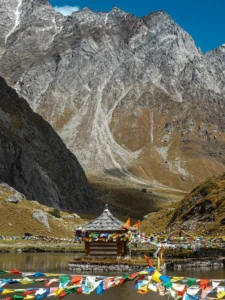
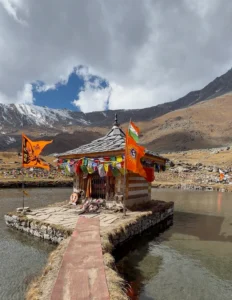
The Yulla Kanda Temple isn’t just another religious spot—it’s got stories that’ll give you goosebumps. According to Yulla Kanda Temple History, this shrine dedicated to Lord Krishna has been a pilgrimage site for centuries. Locals believe Krishna himself blessed this peak during his earthly adventures.
The Yulla Kanda Temple Location is strategically positioned where three valleys converge, and ancient texts suggest it was a meditation spot for sages. The temple opens only during summer months (the Yulla Kanda Temple Opening Date typically falls in mid-May), when devotees trek up for special pujas.
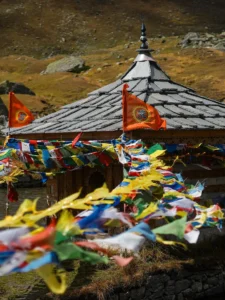
Here’s something fascinating: The temple’s architecture is traditional Kinnauri style—wooden beams, slate roofs, and intricate carvings that have survived brutal Himalayan winters. The Yulla Kanda Krishna Temple features a black stone idol that locals say changes color with seasons!
Planning Your Yulla Kanda Trek: Distance and Route Breakdown
Getting There
The Yulla Kanda Trek Distance of 12 kilometers might sound short, but trust me—it packs a punch! Here’s how to reach the base:
From Delhi: The Delhi to Yulla Kanda Distance spans roughly 420 km. Drive to Shimla (8-9 hours), then head to Rohru, which serves as your trek base.
From Shimla: The Shimla to Yulla Kanda Distance is about 120 km to Rohru. You can hire a taxi or take a local bus (buses are bumpy but authentic!).
The Trek Trail
The Yulla Kanda Temple Trek typically starts from Rohru or nearby villages. Here’s what your journey looks like:
Day 1: Rohru to Basecamp (6 km)
- Altitude gain: 1,200 meters
- Yulla Kanda Trek Time: 5-6 hours
- Terrain: Forest trails, moderate ascent
Day 2: Basecamp to Yulla Kanda Summit (6 km)
- Altitude gain: 850 meters
- Time: 4-5 hours
- Terrain: Rocky patches, steeper climbs
Most trekkers camp overnight near the tree line before the final push. The Yulla Kanda Trek rewards early risers with sunrise views that paint the Himalayas in shades of gold and pink.
Yulla Kanda Weather: When to Trek and What to Expect
The Yulla Kanda Weather can be as dramatic as a Bollywood movie—calm and sunny one moment, then suddenly throwing a tantrum!
Monthly Weather Breakdown
| Month | Yulla Kanda Temperature | Trek Conditions |
|---|---|---|
| May-June | 15-20°C (day), 5-10°C (night) | Best time, clear skies |
| July-August | 12-18°C (day), 8-12°C (night) | Monsoon, slippery trails |
| September-October | 10-15°C (day), 0-5°C (night) | Excellent, crisp views |
| November-April | Below 0°C | Closed (heavy snow) |
Pro tip: The Yulla Kanda Temperature drops significantly after sunset. Even in summer, nights can hit 5°C, so pack accordingly!
What to Pack for Your Yulla Kanda Trek
Based on real trekking experience, here’s your essential checklist:
Clothing:
- Layered thermals (those onion layers matter!)
- Waterproof jacket (weather changes faster than your mood)
- Trekking pants (not jeans—rookie mistake!)
- Warm fleece or down jacket
Gear:
- Sturdy trekking boots (broken-in, not fresh out of the box)
- Backpack (40-50L capacity)
- Trekking poles (your knees will thank you)
- Sleeping bag (rated for -5°C)
Essentials:
- Sunscreen and sunglasses (mountain sun is brutal)
- Water bottle with purification tablets
- First-aid kit with altitude sickness meds
- Power bank (limited charging options)
- Snacks (energy bars, dry fruits, chocolate)
Yulla Kanda Trek Package Options and Costs
Looking for a Yulla Kanda Trek Package? Here’s what typically gets included:
Budget Package (₹3,500-5,000 per person)
- Basic accommodation in Rohru
- Guide fees
- Camping equipment
- Meals (simple dal-chawal-sabzi)
Standard Package (₹6,000-8,500 per person)
- Better accommodation
- Experienced trek leader
- Porter service
- All meals
- Forest permits
Premium Package (₹10,000-15,000 per person)
- Comfortable stays
- Small group size (6-8 people)
- Photography assistance
- Medical support
- Quality camping gear
Most packages don’t include transportation to Rohru, so budget separately for that.
Yulla Kanda in Which District? Understanding the Geography
Yulla Kanda in Which District? It’s located in Kinnaur district, though administratively the trek base (Rohru) falls in Shimla district. This geographical quirk means you’re exploring the border regions where Yulla Kanda Kinnaur meets Shimla’s upper reaches.
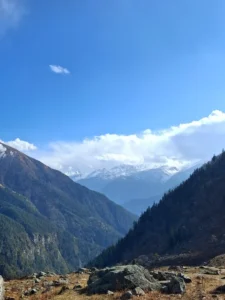
The Yulla Kanda peak itself is part of the Greater Himalayan range, offering views of famous peaks like Srikhand Mahadev and the Kinnaur Kailash range. The region is culturally rich—a beautiful blend of Hindu and Buddhist influences.
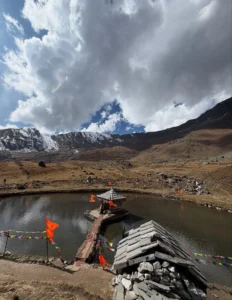
Capturing the Magic: Yulla Kanda Photos Worth Taking
Every trekker becomes a photographer on the Yulla Kanda Trek! Here are the must-capture moments:
Sunrise Shots: The Yulla Kanda Temple Photos at dawn are legendary—the temple silhouetted against orange skies.
Forest Trails: Dense deodar corridors create natural frames perfect for portraits.
Summit Views: 360-degree panoramas with prayer flags in the foreground.
Local Life: Shepherds with their flocks, traditional Kinnauri houses.
Wildlife: If you’re lucky, Himalayan monals (state bird), eagles, and even bharal (blue sheep).
Pro tip: The best Yulla Kanda Photos happen during golden hour (just after sunrise or before sunset). The light makes everything look magical!
Safety Tips and Trek Challenges
Let’s be real—the Yulla Kanda Trek isn’t a walk in the park. Here’s what to watch out for:
Altitude Concerns: At 3,650 meters, some people experience headaches or nausea. Acclimatize properly in Rohru before ascending.
Trail Conditions: Sections can be steep and rocky. Those trekking poles aren’t just fancy sticks—use them!
Weather Unpredictability: The Yulla Kanda Weather can switch from sunny to stormy in minutes. Always carry rain gear.
Limited Connectivity: Phone signals are spotty or non-existent after the first few kilometers. Inform family about your trek plans beforehand.
Wildlife: While encounters are rare, bear territory exists. Make noise while trekking and don’t leave food in tents.
Local Culture and Customs Around Yulla Kanda
The communities around the Yulla Kanda region are predominantly Kinnauri and Himachali. Respect local customs:
- Remove shoes before entering the Yulla Kanda Temple
- Dress modestly (shoulders and knees covered)
- Ask permission before photographing locals
- Don’t litter—carry all trash back
- Support local economy by buying from village shops
The villagers are incredibly hospitable. Don’t be surprised if someone invites you for butter tea or shows you around their apple orchards!
Fitness Requirements and Training
The Yulla Kanda Trek demands moderate fitness. Here’s how to prepare:
4-6 Weeks Before:
- Cardiovascular training (30-45 minutes, 4-5 days/week)
- Stair climbing with a loaded backpack
- Leg strengthening exercises (squats, lunges)
2 Weeks Before:
- Practice day hikes with elevation gain
- Break in your trekking boots
- Start sleeping earlier to adjust your schedule
During Trek:
- Maintain a steady, sustainable pace
- Stay hydrated (3-4 liters water daily)
- Listen to your body—rest when needed
Best Time for the Yulla Kanda Trek: Month-by-Month
May-June: Post-winter freshness, wildflowers blooming, the Yulla Kanda Temple freshly opened for the season. Expect moderate crowds during June.
July-August: Monsoon brings challenges—leeches, slippery trails, and clouds blocking views. Only for adventurous souls who don’t mind rain!
September-October: Absolute best time! The Yulla Kanda Weather is crisp, skies are clear, and post-monsoon greenery is stunning. The Yulla Kanda Temple sees fewer visitors as schools reopen.
November-April: Forget it—deep snow makes the trek inaccessible and dangerous.
Conclusion: Why the Yulla Kanda Trek Deserves Your Bucket List
The Yulla Kanda Trek is more than just another mountain adventure—it’s a journey that tests your limits while feeding your soul. Whether you’re drawn by the spiritual pull of the Yulla Kanda Krishna Temple or simply craving untouched Himalayan beauty, this trek delivers both in abundance.
From the moment you start ascending through apple orchards in Rohru until you stand breathless (literally!) at the summit, every step reveals something special. The Yulla Kanda region remains wonderfully uncommercial, offering authentic mountain experiences that are becoming increasingly rare.
So pack those bags, train those legs, and get ready for a trek that’ll give you stories for years. The Yulla Kanda Trek isn’t just about reaching a destination—it’s about finding yourself somewhere between the earth and sky.
Frequently Asked Questions (FAQs)
1. Is the Yulla Kanda Trek suitable for beginners?
The Yulla Kanda Trek is rated moderate to challenging, so complete beginners might struggle. However, if you have basic fitness and some hiking experience, it’s definitely doable. Start with proper acclimatization and don’t rush the ascent. First-timers should consider joining a guided group for safety and support.
2. Do I need permits for the Yulla Kanda Trek?
Yes, you’ll need forest permits since the trail passes through protected areas in Yulla Kanda Kinnaur region. Most Yulla Kanda Trek Package providers include this in their fees. If trekking independently, obtain permits from the Forest Department office in Rohru. Carry ID proof and passport-size photos.
3. What is the Yulla Kanda Trek Time required for completion?
The standard Yulla Kanda Trek Time is 2-3 days for a round trip. Day 1 involves trekking from Rohru to basecamp (5-6 hours), Day 2 is the summit push and descent to basecamp (6-8 hours), and Day 3 returns to Rohru (4-5 hours). Factor in rest days if you’re not highly fit.
Thank you for reading! If you found this helpful, check out our previous article on:
- Buran Ghati Trek
- Kedarkantha Trek
- Triund Trek Height
- Nathula Pass height in feet
- Chandrashila Height in Feet
- Netravati Trek distance
- Chandrashila Height in Feet
- Manimahesh Trek Distance
- Churdhar Trek Distance
- Jalori Pass Trek
- Kheerganga Trek Distance
- Harihar Fort Trek
यात्रा से जुड़े बेहतरीन सुझाव और जानकारी के लिए TravelWikiTips.Com आपका सही साथी है।
अधिक जानकारी के लिए आप Outlook Traveller पर भी देख सकते हैं।
