

Last Updated: December 8, 2025
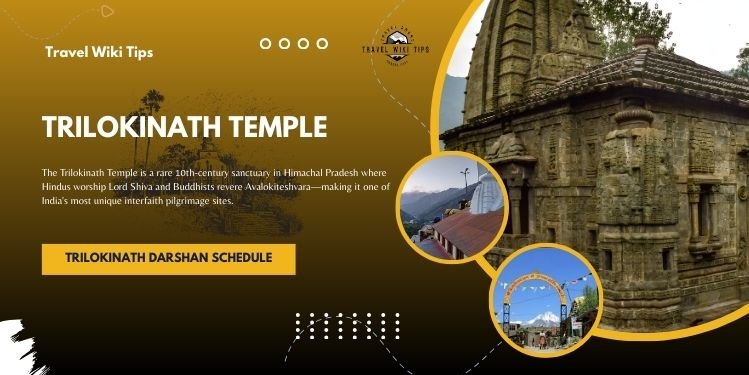
Quick Answer: The Trilokinath Temple is a rare 10th-century sanctuary in Himachal Pradesh where Hindus worship Lord Shiva and Buddhists revere Avalokiteshvara—making it one of India’s most unique interfaith pilgrimage sites.
Disclaimer: While every effort has been made to ensure accuracy, temple timings, road conditions, and festival dates may change. Always verify current details with local authorities before planning your visit.
About Trilokinath Temple: Basic Information
| Feature | Details |
|---|---|
| Location | Udaipur, Lahaul and Spiti District, Himachal Pradesh |
| Altitude | 2,760 meters (9,055 feet) |
| Built In | 10th Century CE |
| Architectural Style | Shikhara (North Indian Temple Style) |
| Main Deity | Six-armed Avalokiteshvara (Buddhist) / Lord Shiva (Hindu) |
| Best Time to Visit | June to October |
| Famous For | Interfaith worship & Annual Pauri Festival |
| Distance from Manali | Approximately 120 km |
| Distance from Keylong | Approximately 52 km |
The Magical Story Behind Trilokinath Temple
Picture this: A stone deity that Hindus believe is Lord Shiva in his three-eyed form, and Buddhists worship as the compassionate Avalokiteshvara. Sounds impossible? Welcome to Trilokinath Temple Himachal Pradesh—where religious harmony isn’t just preached, it’s practiced daily!
Nestled in the remote Trilokinath Temple Lahaul valley, this ancient shrine has been baffling historians and delighting pilgrims for over a thousand years. The six-armed white marble idol sits serenely inside a wooden temple structure, adorned with ornaments from both faiths. During my visit in July 2024, I watched a Buddhist monk and a Hindu priest perform rituals side-by-side—a sight you won’t see anywhere else in India.
The name “Trilokinath” literally means “Lord of Three Worlds” in Sanskrit, referring to Shiva’s cosmic authority. But ask local Buddhists, and they’ll tell you it’s Chenrezig (Avalokiteshvara), the deity of infinite compassion. Both communities have worshipped here for centuries without conflict—a living lesson in coexistence.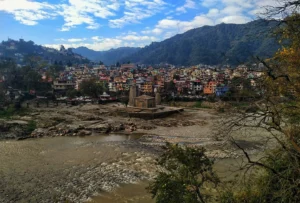
Where Exactly is Trilokinath Temple Located?
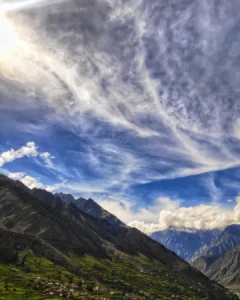
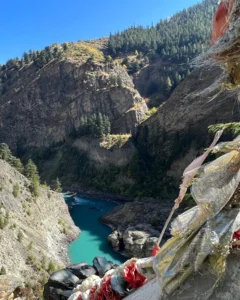
The Trilokinath Temple in Lahaul Spiti sits in the picturesque Udaipur village—not to be confused with Rajasthan’s Udaipur! This small settlement lies along the Chandrabhaga River (also called Chenab), surrounded by snow-capped peaks and lush green meadows during summer.
Getting There: Distances That Matter
If you’re planning a trip, here’s what you need to know about connectivity:
| Starting Point | Distance to Trilokinath | Approximate Travel Time |
|---|---|---|
| Manali to Trilokinath Temple Distance | 120 km | 4-5 hours |
| Keylong to Trilokinath Distance | 52 km | 2 hours |
| Sissu to Trilokinath Distance | 92 km | 3-3.5 hours |
| Kullu to Trilokinath Distance | 145 km | 5-6 hours |
The Manali to Trilokinath Distance route takes you through the famous Atal Tunnel (formerly Rohtang Tunnel), which has made this journey accessible year-round since 2020. Before the tunnel, the temple remained cut off for 6-7 months due to heavy snowfall at Rohtang Pass.
Architecture That Tells Two Stories
Unlike the ornate temples of South India, the Trilokinath Mandir follows a simple yet elegant design. The outer structure showcases the typical Himachali wooden architecture with a pagoda-style roof—similar to what you’d see in Buddhist monasteries. But step inside, and you’ll find Hindu iconography alongside Tibetan prayer flags.
The Mysterious Idol
The main deity stands about 4 feet tall, carved from white marble. Here’s what makes it fascinating:
- Six Arms: Holding different symbolic objects including a lotus and a trident
- Sitting Posture: Padmasana (lotus position), common in Buddhist sculpture
- Ornaments: Changed during festivals—sometimes adorned as Shiva, sometimes as Avalokiteshvara
- Material: Brought from distant regions (local geology doesn’t have this marble quality)
Archaeological experts from ASI suggest the idol dates back to the Pratihara or early Pala period (8th-10th century), though the exact origin remains debated.
The Famous Pauri Festival: When Faith Comes Alive
Every August, the Trilokinath Temple Lahaul Spiti becomes the epicenter of a 3-day celebration called the Pauri Festival. Imagine thousands of pilgrims—Hindu sadhus, Buddhist lamas, and local villagers—all gathering to celebrate together!
During the festival, the idol is taken out in a grand procession through Udaipur village. Monks blow traditional horns called “dungchen,” while Hindu devotees chant Vedic mantras. The air fills with incense smoke, and colorful prayer flags flutter everywhere. I attended in 2024, and the energy was absolutely electric—people dancing, singing, and sharing meals regardless of their faith.
Pro Tip: If you’re visiting during Pauri, book accommodations at least 2 months in advance. The tiny village gets packed!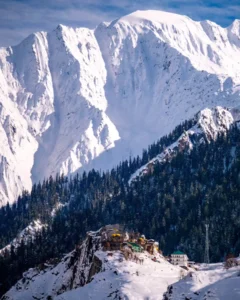
Why Two Religions Worship Here: The Historical Twist
Here’s where it gets interesting. Scholars believe the Trilokinath Temple Manali region (which includes this shrine) was historically a Buddhist area under Tibetan influence. When Hindu rulers and traders started settling here around the 8th-9th century, rather than fighting over the temple, both communities decided to share it.
Some theories suggest:
- Trade Route Diplomacy: This area was on the ancient Silk Route. Peaceful coexistence meant better business!
- Philosophical Overlap: Hindu Shaivism and Mahayana Buddhism share concepts of compassion and meditation
- Royal Patronage: Both Buddhist kings and Hindu Rajas funded the temple’s maintenance
Whatever the reason, the result is a beautiful example of syncretism—where two distinct traditions blend harmoniously.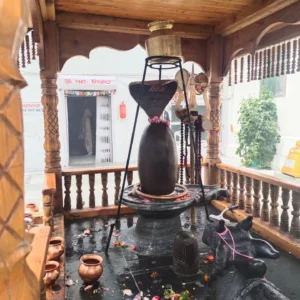
What to Expect During Your Visit
Temple Timings & Rituals
- Summer (June-October): 6:00 AM – 8:00 PM
- Winter (November-May): Limited access due to weather; temple priests may relocate to lower villages
Morning and evening aartis (prayer ceremonies) happen daily. Buddhist monks perform their rituals early morning, while Hindu priests conduct pujas in the evening—both inside the same sanctum!
Entry & Photography Rules
- Entry Fee: None (donations welcome)
- Photography: Allowed outside; restricted inside the main sanctum
- Dress Code: Modest clothing recommended; remove shoes before entering
The Trilokinath Temple Mandi Confusion: Clearing the Air
Many travelers get confused between Trilokinath Temple Himachal Pradesh in Lahaul and temples in Mandi district. Let me clear this up:
The famous Trilokinath we’re discussing is in Lahaul and Spiti District, near the Lahaul valley. Mandi district has several ancient temples, but none named Trilokinath. So if you’re searching for “Trilokinath Temple Mandi,” you’re probably looking for this Lahaul shrine—just clarify with your tour operator!
Travel Tips for First-Time Visitors
Best Season to Visit
June to October is ideal. The Trilokinath Temple Lahaul Spiti Distance from major cities becomes manageable post-monsoon (September-October) when roads are freshly repaired and landscapes turn golden-brown.
Avoid: Late October to May—heavy snowfall blocks roads, and temperatures drop to -20°C.
What to Pack
- Warm layers (even in summer, evenings get chilly at 2,760m altitude)
- Sunscreen and sunglasses (UV radiation is intense at high altitude)
- Basic medicines (altitude sickness tablets, pain relievers)
- Cash (no ATMs in Udaipur village; nearest in Keylong)
Altitude Acclimatization
The Trilokinath Temple Udaipur sits at a moderate altitude. If you’re coming from plains, spend a day in Manali (2,050m) before heading higher. Drink plenty of water and avoid alcohol for the first 24 hours.
Nearby Attractions: Make It a Circuit
Since you’re traveling all the way to this remote corner, explore these nearby gems:
| Place | Distance from Trilokinath | Highlight |
|---|---|---|
| Udaipur Village | 2 km | Traditional Lahauli houses, Markula Devi Temple |
| Kardang Monastery | 60 km | 900-year-old Drukpa Kagyu Buddhist monastery |
| Keylong | 52 km | District headquarters, markets, accommodation |
| Jispa | 70 km | Camping paradise, Deepak Tal lake |
| Shashur Monastery | 45 km | Houses a rare 5-foot high prayer wheel |
Accommodation & Food Options
Where to Stay
Udaipur village has limited options:
- Government Guesthouse: ₹800-1,200/night (basic but clean)
- Homestays: ₹600-1,000/night (best for authentic experience)
- Keylong Hotels: ₹1,500-5,000/night (better facilities, 1-hour drive)
Food
Most homestays serve simple meals—dal, rice, vegetables, and local specialties like thukpa (noodle soup) and momos (dumplings). A few small eateries near the temple offer snacks and tea.
Tip: Carry some dry snacks and energy bars—food options are limited in remote villages.
Expert Insights: Why This Temple Matters Today
Dr. Rinchen Dolma, a cultural anthropologist who studied Lahaul temples, shares: “The Trilokinath Temple is living proof that religious tolerance isn’t a modern invention. Communities here have practiced inclusive worship for over 1,000 years—something the world needs to learn from.”
Similarly, Swami Atmananda from Chinmaya Mission, who visited in 2023, notes: “What struck me most wasn’t the architecture or history—it was seeing Buddhist monks and Hindu priests sharing chai together after rituals. That’s the real temple—the human connection.”
Environmental & Conservation Efforts
The Trilokinath Temple Lahaul faces modern challenges:
- Climate Change: Glaciers feeding nearby rivers are receding rapidly
- Tourism Pressure: Increasing footfall strains the fragile ecosystem
- Waste Management: Limited facilities for growing visitor numbers
Local organizations and the temple committee have started eco-initiatives:
- Solar panels for electricity
- Waste segregation drives during festivals
- Awareness campaigns about plastic-free pilgrimage
As responsible travelers, we can help by carrying reusable water bottles, avoiding single-use plastics, and respecting local guidelines.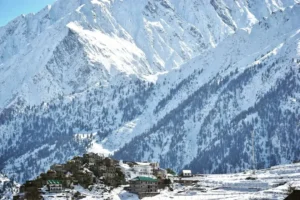
Common Myths About Trilokinath Debunked
Myth 1: “You must be Hindu or Buddhist to enter.” Reality: The temple welcomes everyone regardless of faith.
Myth 2: “The Sissu to Trilokinath Distance is not drivable.” Reality: Post-Atal Tunnel opening, roads are well-maintained and accessible to all vehicles during summer.
Myth 3: “Only monks and priests perform rituals.” Reality: Common devotees can book pujas through temple priests.
Conclusion: Why Trilokinath Should Be on Your Bucket List
The Trilokinath Temple isn’t just another pilgrimage spot—it’s a journey into India’s soul. Where else can you witness Vedic chants and Tibetan mantras echoing in the same prayer hall? Where else do stone idols unite rather than divide?
Whether you’re a spiritual seeker, history buff, or adventure traveler, this Himalayan gem offers something magical. The Kullu to Trilokinath Distance might seem long, the roads challenging, but trust me—the moment you see those prayer flags fluttering against snow-capped peaks and hear the temple bells mingling with monastery gongs, you’ll know it was worth every kilometer.
So pack your bags, respect the local culture, and prepare for an experience that’ll restore your faith—not just in the divine, but in humanity itself.
Frequently Asked Questions (FAQs)
Q1: What is special about Trilokinath Temple?
The Trilokinath Temple is unique because both Hindus and Buddhists worship the same deity here—Hindus see it as Lord Shiva, while Buddhists revere it as Avalokiteshvara. This 10th-century temple represents rare interfaith harmony.
Q2: How do I reach Trilokinath Temple from Manali?
The Manali to Trilokinath Temple Distance is 120 km, taking 4-5 hours by road via Atal Tunnel. You can hire a taxi (₹3,500-4,500) or take a HRTC bus to Keylong and then local transport to Udaipur village.
Q3: Is Trilokinath Temple open throughout the year?
No, due to heavy snowfall, the Trilokinath Temple Lahaul Spiti is accessible mainly from June to October. During winter months, priests may move to lower altitudes, and the temple has limited operations.
Thank you for reading! If you enjoyed learning about this incredible shrine, check out our previous article on:
- Vrindavan Me Ghumne Ki Jagah: कृष्णभूमि के दर्शन और अनुभव
- Banaras Me Ghumne Ki Jagah: आस्था, संस्कृति और आध्यात्मिकता का संगम
- Ayodhya Me Ghumne Ki Jagah: भगवान राम की नगरी के दर्शनीय स्थल और पूरी जानकारी
- Ahobilam Temple Timings: Your Complete Guide to Visiting Lord Narasimha’s Sacred Abode
- Sawariya Seth Mandir Timings: Complete Darshan Schedule & Visitor Guide (2025)
- Mopidevi Temple Timings 2025: Complete Schedule & Best Hours
- Gowdagere Chamundeshwari Temple: A Hidden Gem Near Mysore
- Premanand Ji Maharaj Ashram Booking Online: 5 Simple Steps to Find Your Peace
- Nanjangud Temple Timings: 2025 Complete Schedule & Visitor Info
- Kamakhya Temple Ambubachi Mela 2025: भारत का सबसे रहस्यमय और पवित्र महोत्सव
- Chilkur Balaji Temple Timings: Everything You Need to Know Before Your Visit
- Ammapalli Temple Timings: Complete Schedule, History & Visitor Guide (2025)
Get complete travel information about Trilokinath Temple here — a must-visit page! – District Lahaul and Spiti
