

Last Updated: November 18, 2025
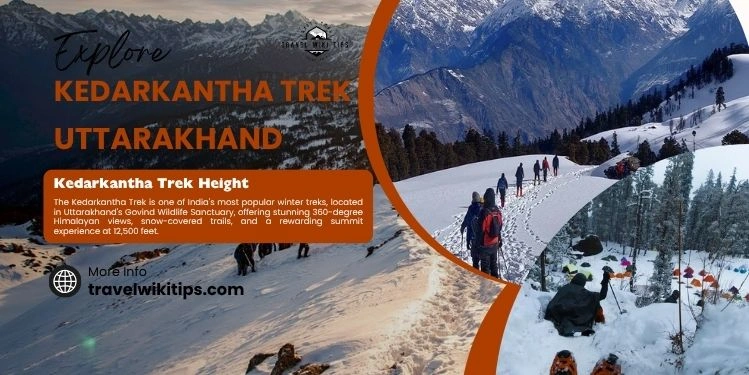
Quick Answer: The Kedarkantha Trek is one of India’s most popular winter treks, located in Uttarakhand’s Govind Wildlife Sanctuary, offering stunning 360-degree Himalayan views, snow-covered trails, and a rewarding summit experience at 12,500 feet.
Disclaimer: This article provides general information about the Kedarkantha Trek based on typical conditions and experiences. Weather, trail conditions, and local regulations can change. Always consult with professional trek operators, check current weather forecasts, and obtain necessary permits before undertaking the trek. The author and publisher are not responsible for any accidents, injuries, or losses that may occur during trekking activities. Trekking in high altitudes carries inherent risks—assess your fitness level honestly and make informed decisions.
Trek Overview: Essential Information
| Trek Detail | Information |
|---|---|
| Location | Sankri, Uttarakhand, India |
| Kedarkantha Height | 12,500 feet (3,810 meters) |
| Kedarkantha Trek Distance | 20 km (round trip) |
| Duration | 4-6 days |
| Difficulty Level | Easy to Moderate |
| Kedarkantha Trek Best Time | December to April (Winter) |
| Base Camp | Sankri Village |
| Region | Govind Wildlife Sanctuary |
| Nearest Town | Dehradun (220 km) |
What Makes Kedarkantha Trek Special?
Picture this: You’re standing on a snowy mountain peak, surrounded by a sea of Himalayan giants, with the first rays of sunrise painting the sky in shades of gold and pink. That’s Kedarkantha for you—a winter wonderland that doesn’t demand technical climbing skills but rewards you with memories that last a lifetime.
Unlike many challenging Himalayan treks, the Kedarkantha Trek welcomes first-timers with open arms while still exciting seasoned trekkers. It’s the Goldilocks of winter treks—not too easy, not too hard, just perfectly right.
What sets this trek apart? It’s one of the few treks in India where you can walk through thick snow, camp under star-studded skies, and reach a summit—all within a week’s vacation. Plus, the Kedarkantha Peak offers 360-degree views of legendary mountains like Swargarohini, Bandarpoonch, and Black Peak.
Understanding Kedarkantha Weather & Temperature
Seasonal Breakdown
The Kedarkantha Weather transforms dramatically across seasons, creating distinct trekking experiences:
| Season | Temperature Range | Trek Conditions | Crowd Level |
|---|---|---|---|
| Winter (Dec-Feb) | -5°C to 10°C | Heavy snow, best views | High |
| Spring (Mar-Apr) | 0°C to 15°C | Melting snow, flowers blooming | Moderate |
| Summer (May-Jun) | 10°C to 20°C | No snow, green meadows | Low |
| Monsoon (Jul-Sep) | 8°C to 18°C | Slippery trails, leeches | Very Low |
| Autumn (Oct-Nov) | 0°C to 12°C | Clear skies, light snow | Moderate |
Why Winter is King
The Kedarkantha Temperature during December through February creates the perfect winter trekking conditions. Night temperatures can plummet to -10°C at the summit, while days remain pleasantly sunny around 5-10°C. This temperature sweet spot ensures thick snow coverage without extreme cold that makes trekking unbearable.
The Kedarkantha Temperature Today varies based on altitude—Sankri village hovers around 5-10°C during winter days, while the summit can be 10-15 degrees colder.
Complete Day-by-Day Trek Itinerary
Day 1: Dehradun to Sankri (220 km, 8-9 hours drive)
Your Kedarkantha Trekking adventure begins with a scenic drive from Dehradun. The journey takes you through Mussoorie, Purola, and Mori, following the Tons River. Sankri village (6,400 feet) serves as your base camp—a charming settlement where time moves slower and locals still practice traditional Himalayan farming.
Pro Tip: Start early from Dehradun (by 6 AM) to reach Sankri before dark.
Day 2: Sankri to Juda Ka Talab (4 km, 4-5 hours)
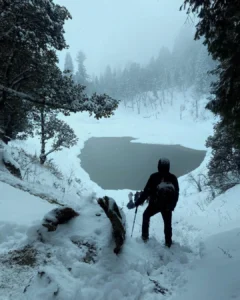
The trail climbs gradually through dense pine forests. You’ll cross wooden bridges, spot Himalayan birds, and breathe in the crisp mountain air. Juda Ka Talab—a frozen lake surrounded by oak and maple trees—is your campsite at 9,100 feet.
Altitude Gain: 2,700 feet Trail Type: Moderate ascent with well-defined path
Day 3: Juda Ka Talab to Kedarkantha Base Camp (4 km, 3-4 hours)
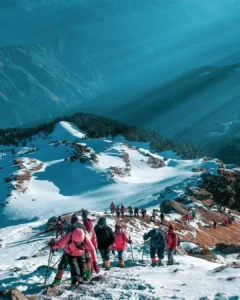
This is where the Kedarkantha Trek truly reveals its magic. The trail opens into vast meadows covered in thick snow (during winter). The treeline disappears, replaced by pristine white slopes. The base camp sits at 11,250 feet, with the Kedarkantha Peak towering directly above you.
Campsite Highlights:
- 180-degree mountain views
- Kedarkantha Temple visible on the ridge
- Sunset views of Swargarohini range
Day 4: Summit Day – Base Camp to Kedarkantha Peak and Back to Hargaon (6 km, 7-8 hours)
Wake up at 2 AM for the summit push. Trekking under starlight with headlamps, you’ll climb steep snow slopes. The final approach involves a 45-degree incline—challenging but achievable with proper pacing.
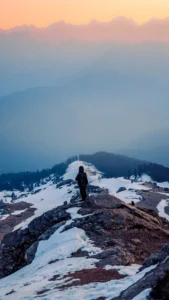
Reaching the Kedarkantha Peak Height of 12,500 feet at sunrise is pure euphoria. The summit offers views of:
- Swargarohini (21,200 feet)
- Bandarpoonch (20,950 feet)
- Black Peak (20,420 feet)
- Ranglana (19,840 feet)
- Draupadi Ka Danda (15,600 feet)
After summit celebrations and the mandatory photoshoot at the Kedarkantha Temple (a small shrine dedicated to Lord Shiva), you’ll descend to Hargaon camp (8,900 feet).
Summit Challenge: Kedarkantha Trek Night starts at 2 AM; carry extra warm layers
Day 5: Hargaon to Sankri (6 km, 4 hours) and Drive to Dehradun
The descent takes you through different terrain—open meadows transition to dense forests. You’ll return to Sankri by afternoon and drive back to Dehradun, arriving by evening.
Kedarkantha Trek Package Options & Cost Breakdown
Package Comparison
| Provider | Duration | Kedarkantha Trek Cost | Inclusions |
|---|---|---|---|
| Budget Package | 5 days | ₹6,500 – ₹8,500 | Basic camping, meals, guide |
| Standard Package | 6 days | ₹9,500 – ₹12,000 | Better equipment, experienced guides, insurance |
| Premium Package | 6 days | ₹15,000 – ₹18,000 | Superior camping gear, smaller groups, extras |
| Indiahikes Kedarkantha | 6 days | ₹10,990 + GST | Comprehensive support, eco-friendly practices |
What’s Typically Included in a Kedarkantha Trek Package:
- Accommodation (tents/guesthouses)
- All meals from Day 1 dinner to Day 5 breakfast
- Trekking permits
- Guide and support staff
- Safety equipment (basic first aid)
- Forest camping charges
Additional Costs to Consider:
- Kedarkantha Trek From Delhi: Transport adds ₹1,500-₹3,000
- Personal porter: ₹350-₹400 per day
- Gear rental (if needed): ₹1,500-₹3,000 total
- Offloading backpack: ₹300-₹350 per day
- Personal expenses and tips
Essential Packing List for Kedarkantha Trek
Clothing (Layering is Key)
Base Layer:
- 2 thermal innerwear sets (top & bottom)
- 3 full-sleeve T-shirts
- 2 quick-dry trek pants
Mid Layer:
- 2 fleece jackets or sweaters
- 1 down feather jacket (essential for Kedarkantha Temperature)
Outer Layer:
- 1 waterproof windproof jacket
- 1 waterproof rain pants
Extremities:
- Woolen gloves (2 pairs—one light, one heavy)
- Woolen socks (4 pairs)
- Balaclava or neck warmer
- Sun hat/cap
- Warm beanie
Footwear
- High-ankle waterproof trekking boots (broken in!)
- Camp shoes/sandals
- Gaiters (mandatory for snow)
Equipment
- Backpack (50-60 liters)
- Daypack (20-30 liters for summit day)
- Sleeping bag (-10°C rated minimum)
- Trekking poles (highly recommended)
- Headlamp with extra batteries
- Water bottles (2 liters capacity)
- Sunglasses (UV protection)
Documents & Money
- Valid photo ID
- Passport-size photographs (2-3)
- Medical certificate (if required by operator)
- Trek permits (arranged by operator)
- Cash (₹3,000-₹5,000)
Fitness Preparation & Training Tips
The Kedarkantha Trek requires moderate fitness levels. Here’s how to prepare:
8-Week Training Plan
Cardiovascular Endurance (Weeks 1-4):
- Jogging: 3-4 km daily
- Increase to 5-6 km by week 4
- Include uphill running twice weekly
Strength Building (Weeks 5-8):
- Squats: 3 sets of 15 reps
- Lunges: 3 sets of 12 reps each leg
- Planks: Hold for 60 seconds, 3 sets
- Stair climbing: 20-30 minutes with backpack
Flexibility:
- Daily stretching (15 minutes)
- Yoga poses: Downward dog, warrior poses, tree pose
Practice Treks:
- 2-3 day hikes with loaded backpack (8-10 kg)
- Walk 8-10 km in hills if possible
Safety Guidelines & Altitude Acclimatization
Understanding Altitude Sickness
Though the Kedarkantha Height isn’t extreme, altitude sickness can still affect trekkers. Symptoms include:
- Headache
- Nausea
- Dizziness
- Shortness of breath
- Loss of appetite
Prevention Strategies
Hydration Protocol: Drink 3-4 liters of water daily. Dehydration accelerates altitude sickness.
Ascend Gradually: The Kedarkantha Trek Distance is spread over multiple days for a reason—it allows proper acclimatization.
Listen to Your Body: If symptoms worsen despite rest, descend immediately. There’s no shame in turning back.
Avoid Alcohol & Smoking: Both reduce oxygen absorption and worsen altitude effects.
Emergency Protocols
All reputable Kedarkantha Trek Package providers carry:
- Oxygen cylinders
- First aid kits
- Communication devices
- Emergency evacuation plans
Emergency Contacts:
- Uttarakhand Disaster Management: 1070
- District Emergency: 01370-222334
Photography Tips for Instagram-Worthy Shots
Best Photo Spots on Kedarkantha Trek
- Juda Ka Talab: Frozen lake reflections (morning light)
- Base Camp: 360-degree panoramas with prayer flags
- Summit: Sunrise with Himalayan range backdrop
- Kedarkantha Temple: Spiritual shots with mountain views
- Snow trails: Footprint patterns in fresh snow
Camera Settings for Snow
- Increase exposure by +1 to +1.5 (snow appears grey otherwise)
- Use polarizing filter for blue skies
- Shoot during golden hour (sunrise/sunset)
- Keep extra batteries warm (cold drains them quickly)
Smartphone Photography Hacks
- Clean lens frequently (snow and moisture stick)
- Use HDR mode for high-contrast scenes
- Portrait mode for depth in mountain shots
- Keep phone in inside pocket (warmth preserves battery)
Cultural Significance: Kedarkantha Temple & Local Legends
The Legend of Kedarkantha
According to local folklore, the Kedarkantha Temple marks the spot where Lord Shiva meditated. The name “Kedarkantha” translates to “the throat of Kedar”—Kedar being another name for Shiva.
Legend says that when the Pandavas sought Lord Shiva’s blessings after the Mahabharata war, Shiva kept eluding them by transforming into various forms. The throat of the bull (Shiva’s form) is believed to have emerged here at Kedarkantha, while other body parts appeared at different locations—forming the Panch Kedar circuit.
Religious Practices
The small shrine at the summit receives offerings from trekkers—flowers, incense, and prayers. Local shepherds perform annual pujas here before the grazing season.
Respectful Conduct:
- Remove shoes before entering temple premises
- Don’t disturb offerings or religious structures
- Seek permission before photographing rituals
Flora & Fauna: Wildlife in Govind National Park
The Kedarkantha Trekking route passes through Govind Wildlife Sanctuary, home to diverse Himalayan species:
Common Wildlife Sightings
Mammals:
- Himalayan Black Bear (rare, mostly in lower forests)
- Musk Deer
- Leopards (very rare)
- Ghoral (Himalayan goat)
- Red Fox
Birds:
- Monal Pheasant (Himalayan State Bird)
- Koklass Pheasant
- Griffon Vultures
- Golden Eagles
- Snow Pigeons
Flora Zones
Lower Forest (6,000-9,000 feet):
- Oak, pine, and deodar trees
- Rhododendrons (bloom in spring)
Alpine Meadows (9,000-11,000 feet):
- Juniper bushes
- Wildflowers (April-June)
- Grassy bugyals
High Altitude (11,000+ feet):
- Sparse vegetation
- Hardy shrubs
- Lichen on rocks
Local Cuisine & Food Experience
What to Expect During Kedarkantha Trek
Typical Menu:
Breakfast:
- Porridge/Daliya
- Parathas with pickle
- Bread, butter, jam
- Tea/coffee
- Boiled eggs
Lunch (packed):
- Sandwiches
- Dry fruits and nuts
- Juice/energy bars
- Fruit
Dinner:
- Rice/roti
- Dal (lentils)
- Seasonal vegetables
- Soup starter
Snacks:
- Evening tea with biscuits/namkeen
- Maggi (trekker’s favorite!)
Sankri Village Specialties
Before and after your trek, try local Garhwali dishes:
- Kafuli: Spinach curry with fenugreek
- Phaanu: Mixed lentil preparation
- Aloo ke Gutke: Spiced potato curry
- Jhangora Ki Kheer: Barnyard millet pudding
- Singodi: Sweet wrapped in oak leaves
Sustainable Trekking: Leave No Trace Principles
The Kedarkantha Trek attracts thousands annually. Here’s how to minimize environmental impact:
7 Leave No Trace Principles
1. Plan Ahead: Choose operators with eco-friendly policies (like Indiahikes Kedarkantha programs)
2. Stick to Trails: Don’t create shortcuts through meadows
3. Pack Out Trash: Carry all waste back, including organic waste
4. Leave What You Find: Don’t collect flowers, rocks, or artifacts
5. Minimize Campfire Impact: Use provided campsites only
6. Respect Wildlife: Observe from distance, don’t feed animals
7. Be Considerate: Keep noise levels down, yield to other trekkers
Plastic-Free Trekking
- Carry reusable water bottles
- Say no to single-use plastics
- Use biodegradable soap (for washing away from water sources)
- Carry cloth bags for snacks
Comparison: Kedarkantha vs Other Winter Treks
| Trek Feature | Kedarkantha Trek | Brahmatal Trek | Har Ki Dun Trek |
|---|---|---|---|
| Difficulty | Easy-Moderate | Moderate | Easy-Moderate |
| Height | 12,500 feet | 12,250 feet | 11,675 feet |
| Duration | 4-6 days | 6-7 days | 7-8 days |
| Best For | First-timers, summit experience | Experienced trekkers, solitude | Valley lovers, longer trips |
| Snow Level | Heavy (Dec-Mar) | Heavy (Dec-Mar) | Moderate |
| Summit | Yes | Yes | No summit |
| Crowd | High | Moderate | Low |
Why Choose Kedarkantha:
- Perfect introduction to winter Himalayan trekking
- Achievable summit for beginners
- Excellent mountain views despite moderate altitude
- Well-established trail with good support infrastructure
Booking Your Kedarkantha Trek: Step-by-Step Process
1. Choose Your Trek Operator (2-3 months in advance)
Research and compare:
- Reviews on Google, TripAdvisor
- Group size (smaller is better—8-12 people)
- Guide experience and safety record
- Cancellation and refund policies
Popular Operators:
- Indiahikes
- TTH (Trek The Himalayas)
- Bikat Adventures
- Youth Hostels Association of India (YHAI)
2. Book and Pay
Most operators require:
- Initial deposit: 25-50% of Kedarkantha Trek Cost
- Balance payment: 15-30 days before trek
3. Prepare Documents
- Medical certificate (for treks with certain operators)
- ID proof (Aadhaar, passport, driver’s license)
- Emergency contact details
4. Arrange Transportation
Kedarkantha Trek From Delhi options:
- Overnight bus to Dehradun (₹500-₹1,200)
- Train to Dehradun (₹300-₹2,000 depending on class)
- Flight to Jolly Grant Airport, Dehradun (₹3,000-₹8,000)
- Shared taxi Dehradun to Sankri (₹800-₹1,200 per person)
5. Get Travel Insurance
Essential for:
- Medical emergencies
- Evacuation costs
- Trip cancellations
Cost: ₹300-₹800 for week-long coverage
6. Final Preparations (1 week before)
- Weather check
- Gear testing
- Fitness refresh
- Document verification
Solo Trekking vs Group Trek: What’s Right for You?
Group Trek Advantages
For Kedarkantha Trek:
- Built-in camaraderie and motivation
- Shared experiences and campfire stories
- Safety in numbers
- Cost-effective (shared logistics)
- No planning hassle
Best For: First-time trekkers, solo travelers seeking company
Independent/Small Group Trek
Considerations:
- Requires experienced trekking background
- Must arrange permits, guides independently
- Flexible schedule
- Higher per-person cost
- Greater responsibility for safety
Best For: Experienced trekkers, families, custom schedules
Pro Tips from Experienced Trekkers
Before the Trek
- Break in Your Boots: Wear trekking boots for 2-3 weeks before the trek. Blisters on Day 1 ruin the entire experience.
- Test All Gear: Don’t discover your headlamp doesn’t work at 2 AM on summit day.
- Dental Check-up: Altitude can aggravate dental issues. Get a check-up beforehand.
- Trim Toenails: Long nails cause pain during descents.
During the Trek
- Start Slow: Resist the urge to race ahead on Day 1. Save energy for summit day.
- Drink Before You’re Thirsty: By the time you feel thirsty, you’re already dehydrated.
- Use Trekking Poles Properly: Plant them ahead while climbing, behind while descending.
- Keep Essentials Accessible: Water, snacks, sunscreen, and lip balm should be in daypack’s outer pockets.
- Take Breaks Strategically: Rest for 5 minutes every 45-50 minutes of trekking.
- Breathe Rhythmically: Develop a breathing pattern synced with steps (especially on summit day).
Summit Day Specific
- Layer Smart: You’ll overheat climbing, freeze at summit. Adjust layers frequently.
- Summit by 7-8 AM: Late summits mean descending in harsh afternoon sun and softer snow.
- Carry Extra Snacks: Summit push burns massive calories.
- Don’t Skip Breakfast: Even if it’s 2 AM, eat something warm before starting.
Common Mistakes to Avoid
Packing Errors
❌ Cotton clothes: They trap moisture and stay wet (hypothermia risk) ✅ Use: Synthetic or merino wool
❌ New boots: Recipe for blisters ✅ Use: Broken-in, tested footwear
❌ Overpacking: Carrying unnecessary weight ✅ Stick to essentials: Aim for 8-10 kg backpack
Trekking Mistakes
❌ Skipping acclimatization: Rushing altitude gain ✅ Follow itinerary: Rest days are built-in for a reason
❌ Ignoring minor discomfort: Small issues become major problems ✅ Address immediately: Blisters, chafing, headaches
❌ Poor hydration: Not drinking enough water ✅ Carry 2 liters: Sip throughout the day
Photography Mistakes
❌ Only shooting at stops: Missing trail beauty ✅ Shoot while walking: Best candid moments happen on trail
❌ Forgetting to charge: Dead battery on summit day ✅ Charge everything overnight: Power banks, cameras, phones
Post-Trek Recovery & Care
First 48 Hours After Kedarkantha Trek
Physical Recovery:
- Stretch major muscle groups (quads, calves, hamstrings)
- Take warm baths with Epsom salt
- Stay hydrated (altitude dehydration lingers)
- Eat protein-rich meals (muscle recovery)
- Rest but avoid complete inactivity (gentle walks help)
Blister Care:
- Don’t pop small blisters
- If drained, apply antibiotic ointment and bandage
- Keep feet dry and aired
Altitude Adjustment: Some people feel tired for 2-3 days post-trek—this is normal
Sharing Your Experience
- Back up photos/videos immediately
- Share experiences on social media (tag locations to help future trekkers)
- Write reviews for your trek operator
- Share feedback—both positive and constructive
Conclusion: Why Kedarkantha Should Be Your Next Adventure
The Kedarkantha Trek isn’t just another Himalayan trail—it’s a complete mountain experience wrapped in a manageable package. Whether you’re a student seeking adventure during winter break, a working professional craving mountain therapy, or a family wanting to introduce kids to trekking, Kedarkantha welcomes all.
The combination of achievable altitude, stunning summit views, thick snow trails, and cultural richness makes this trek stand out. The Kedarkantha Peak Height of 12,500 feet offers genuine accomplishment without extreme altitude risks. The Kedarkantha Weather during winter creates picture-perfect conditions—clear blue skies, pristine snow, and comfortable trekking temperatures.
What you’ll take home isn’t just photos of mountain ranges or summit selfies at the Kedarkantha Temple. You’ll carry memories of crisp morning air, camaraderie around campfires, the satisfying crunch of snow under boots, and the indescribable feeling of standing on top of a Himalayan peak watching the sunrise paint the world gold.
The mountains are calling, and Kedarkantha is the perfect answer.
Frequently Asked Questions About Kedarkantha Trek
1. Is Kedarkantha Trek suitable for beginners?
Absolutely! The Kedarkantha Trek is considered one of the best beginner-friendly winter treks in India. The gradual altitude gain, well-marked trails, and excellent support infrastructure make it ideal for first-time Himalayan trekkers. However, you still need basic fitness—being able to jog 5 km or climb stairs continuously for 30 minutes is a good fitness indicator.
2. What is the best time to do Kedarkantha Trek?
The Kedarkantha Trek Best Time is December to April for snow trekking experience. December through February offers heavy snow and the most dramatic winter landscapes. March-April provides clearer skies with melting snow. May-June is suitable if you want to avoid snow entirely and trek through green meadows. Avoid monsoon season (July-September) due to slippery trails, leeches, and obscured views.
3. How difficult is the Kedarkantha Trek?
The Kedarkantha Trek is rated easy to moderate. The maximum altitude of 12,500 feet isn’t extreme, and the Kedarkantha Trek Distance of 20 km round trip is manageable over 5-6 days. The steepest section is the summit day climb, which involves a 45-degree snow slope for the final 300 meters. With proper pacing and basic fitness, most people complete it successfully. The trek is more challenging in deep snow (December-January) compared to March-April.
Thank you for reading this comprehensive guide! We hope it helps you plan an amazing Kedarkantha Trekking adventure. Check out our previous blog on:
- Rishikesh Me Ghumne Ki Jagah – Top Places to Visit, Activities & Travel Info
- Banaras Me Ghumne Ki Jagah: आस्था, संस्कृति और आध्यात्मिकता का संगम
- Ayodhya Me Ghumne Ki Jagah: भगवान राम की नगरी के दर्शनीय स्थल और पूरी जानकारी
- Bhangarh Ka Kila: भारत का सबसे डरावना किला जहां भूतों की संख्या पर्यटकों से ज्यादा है
- Vrindavan Me Ghumne Ki Jagah
- Kundanbagh Haunted House
- Jodhpur Me Ghumne Ki Jagah: राजस्थान के ब्लू सिटी में घूमने की 15+ शानदार जगहें
- EOD Adventure Park Rides: दिल्ली-NCR का सबसे रोमांचक मनोरंजन गंतव्य
- Landour Bakehouse Menu
- Mussoorie Me Ghumne Ki Jagah: Hidden Gems & Must-See Spots in the Queen of Hills
- Jaisalmer Me Ghumne Ki Jagah – Top 15+ स्थल
- Darjeeling Me Ghumne Ki Jagah
- Nathula Pass Height in Feet: Everything You Need to Know About This Sky-High Himalayan Wonder
- Snowfall Gulmarg Gurez Kashmir: 2025 Winter Paradise Awaits
- Nainital Me Ghumne Ki Jagah: 15+ Jaw-Dropping Spots You Can’t Miss in 2025
- Triund Trek Height: Everything You Need to Know Before Your First Himalayan Adventure
- Bhopal Me Ghumne Ki Jagah: 15 शानदार जगहें जो आपको मंत्रमुग्ध कर देंगी
यात्रा से जुड़े बेहतरीन सुझाव और जानकारी के लिए TravelWikiTips.Com आपका सही साथी है।
अधिक जानकारी के लिए आप Incredible India पर भी देख सकते हैं।
Happy Trekking! 🏔️
