

Last Updated: December 24, 2025
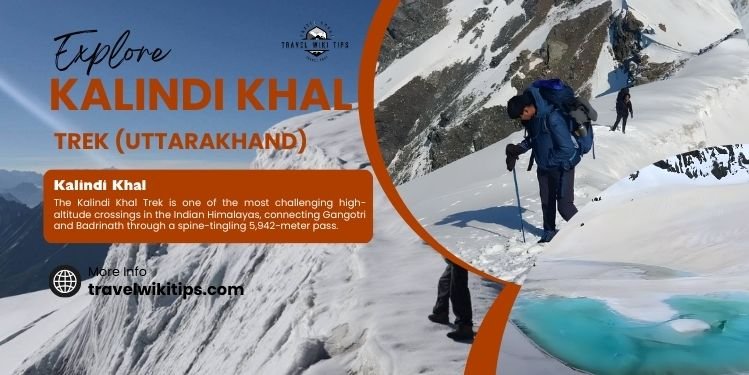
The Kalindi Khal Trek is one of the most challenging high-altitude crossings in the Indian Himalayas, connecting Gangotri and Badrinath through a spine-tingling 5,942-meter pass.
Disclaimer: This article provides general information about the Kalindi Khal Trek based on personal experience and available data. Mountain conditions change constantly, and every trek involves inherent risks including altitude sickness, weather hazards, and physical injury. Always consult with professional guides, obtain proper training, secure necessary permits, and ensure adequate insurance before attempting this or any high-altitude trek. The author and publisher assume no liability for accidents, injuries, or losses incurred by readers undertaking this trek.
Quick Stats: Kalindi Khal Pass at a Glance
| Feature | Details |
|---|---|
| Trek Type | High-altitude technical crossing |
| Maximum Altitude | 5,942 meters (19,495 feet) |
| Duration | 12-14 days |
| Difficulty Level | Extremely Difficult |
| Best Season | June to September |
| Starting Point | Gangotri (Uttarakhand) |
| Ending Point | Badrinath (Uttarakhand) |
| Permits Required | Yes (IMF permission mandatory) |
| Technical Skills | Rope work, ice axe, crampon use |
Understanding the Kalindi Khal Trek Distance and Route
The Complete Journey Breakdown
The Kalindi Khal Trek Distance covers approximately 95-105 kilometers, depending on your exact route and side excursions. But trust me, those numbers don’t tell the whole story. Every kilometer feels like five when you’re navigating through ice fields and oxygen-thin air.
Here’s a realistic Kalindi Khal Trek Route breakdown:
| Day | Route Section | Distance | Altitude Gain/Loss |
|---|---|---|---|
| 1 | Gangotri to Nala Camp | 8 km | Gain: 700m |
| 2 | Nala Camp to Bhujbas | 10 km | Gain: 400m |
| 3 | Bhujbas to Gaumukh | 8 km | Gain: 300m |
| 4 | Gaumukh to Nandanvan | 10 km | Gain: 600m |
| 5 | Acclimatization Day | – | – |
| 6 | Nandanvan to Vasuki Tal | 5 km | Gain: 550m |
| 7 | Vasuki Tal to Khara Pathar | 6 km | Gain: 400m |
| 8 | Khara Pathar to Sweta Glacier Camp | 7 km | Gain: 500m |
| 9 | Crossing Kalindi Khal to Arwa Tal | 12 km | Gain 700m, Loss 1200m |
| 10 | Arwa Tal to Ghastoli | 10 km | Loss: 800m |
| 11 | Ghastoli to Mana Village | 12 km | Loss: 900m |
| 12 | Mana to Badrinath | 3 km | Loss: 200m |
The Kalindi Khal Trek Map shows a distinctive horseshoe pattern, wrapping around several massive glaciers including the Chaturangi, Sweta, and Arwa glaciers.
Kalindi Khal Trek Height: Living in the Death Zone
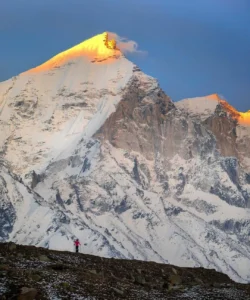
At 5,942 meters, the Kalindi Khal Trek Height places you in what mountaineers call the “transition zone”—where your body struggles to acclimatize and every breath feels like you’re sucking air through a straw.
Here’s what happens to your body at this altitude:
- Oxygen availability drops to roughly 50% of sea level
- Heart rate increases by 30-40%
- Sleep becomes restless and fragmented
- Appetite vanishes (eating becomes a chore)
- Risk of Acute Mountain Sickness (AMS) skyrockets
I’ve witnessed strong trekkers crumble at high camps, and unexpected heroes emerge from the most unlikely candidates. Altitude is the great equalizer—it doesn’t care about your gym routine or marathon medals.
The Real Talk: Kalindi Khal Trek Cost Breakdown
Let’s cut through the marketing fluff and talk money.
Kalindi Khal Trek Cost Per Person
| Component | Estimated Cost (INR) |
|---|---|
| Organized Group Trek | ₹45,000 – ₹65,000 |
| IMF Permission Fee | ₹2,000 – ₹3,500 |
| Equipment Rental | ₹8,000 – ₹15,000 |
| Personal Gear Purchase | ₹20,000 – ₹50,000 |
| Travel to/from Gangotri | ₹5,000 – ₹10,000 |
| Emergency Fund | ₹10,000 – ₹15,000 |
| Total Independent Trek | ₹90,000 – ₹1,60,000 |
The Kalindi Khal Trek Cost varies wildly based on group size, season, and whether you’re going with an organized tour or assembling your own team. Most reputable operators charge between ₹55,000-₹65,000 per person for the complete package.
Pro Tip: Don’t cheap out on this one. Budget expeditions often lack proper safety equipment, experienced guides, or adequate acclimatization schedules. Remember, helicopter evacuations from high-altitude cost upwards of ₹2-3 lakhs.
Kalindi Khal Trek Best Time: When Nature Opens the Gates
The Kalindi Khal Trek Best Time is a narrow window—typically mid-June through mid-September. But even within this window, conditions vary dramatically.
Month-by-Month Breakdown:
June (Mid to Late):
- Fresh snowmelt begins
- Crevasses are partially covered (dangerous!)
- Fewer crowds
- Weather unpredictable
July:
- Peak snowmelt, rivers raging
- Monsoon risk increases
- River crossings become treacherous
- Generally avoided by experienced teams
August:
- Monsoon continues
- Reduced visibility
- Higher avalanche risk
- Not recommended
September (Early to Mid):
- Best weather stability
- Clear skies, stunning views
- Snow consolidated and safer
- Most popular and crowded
- My personal favorite
Post-September, winter approaches fast, and the Kalindi Khal Pass becomes a deadly proposition even for expert mountaineers.
The Dark Side: Kalindi Khal Tragedy and Safety Concerns
Here’s where we need to get serious. The Kalindi Khal Trek has claimed lives—not because the mountain is cruel, but because people underestimate its difficulty.
Notable Incidents: Kalindi Khal Trek Death Cases
The Kalindi Khal Tragedy incidents include several documented cases:
- 2019: Three trekkers succumbed to altitude sickness and hypothermia
- 2020: Expedition cancelled due to COVID
- Kalindi Khal Trek 2021: A particularly challenging season saw multiple rescue operations due to sudden weather changes and inadequate preparation
Common causes of accidents:
- Inadequate acclimatization
- Crossing without proper technical gear
- Weather window miscalculation
- Hidden crevasses on glaciers
- Altitude-related medical emergencies
The Kalindi Khal Trek Death statistics aren’t publicly consolidated, but local rescue teams estimate 2-4 serious incidents annually requiring emergency evacuation.
My Stand: If you haven’t done at least 2-3 serious high-altitude treks (Stok Kangri, Roopkund, Pin Parvati), the Kalindi Khal Trek should remain on your bucket list, not your immediate itinerary.
Sample Kalindi Khal Trek Itinerary: Day-by-Day Reality
Here’s a realistic Kalindi Khal Trek Itinerary based on actual expeditions:
Days 1-3: Gangotri to Gaumukh
Gradual ascent through pine forests and meadows. The famous Gaumukh glacier snout—where the Ganga emerges—greets you on Day 3.
Days 4-5: Gaumukh to Nandanvan + Acclimatization
Enter the high-altitude zone. Nandanvan offers jaw-dropping views of Shivling, Bhagirathi peaks, and Meru.
Days 6-8: Vasuki Tal to Sweta Glacier Camp
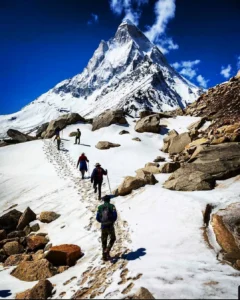
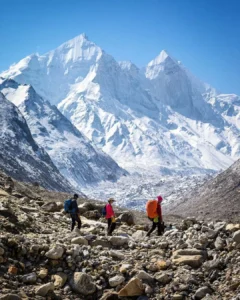
Technical terrain begins. Rope up for glacier sections. Khara Pathar camp sits on a moraine—imagine sleeping on a pile of rocks with a million-dollar view.
Day 9: THE BIG DAY – Crossing Kalindi Khal Pass
Summit day starts at 2 AM. Headlamps, crampon checks, rope teams formed. The pass crossing takes 4-6 hours. Steep descent into Arwa Tal on the other side.
Days 10-12: Arwa Tal to Badrinath
Descending through alpine meadows, crossing glacial streams, finally reaching civilization at Mana village, then Badrinath.
Essential Gear: What You MUST Carry
The Kalindi Khal Pass Trek demands serious equipment:
Technical Gear:
- Crampon-compatible mountaineering boots
- Ice axe (not trekking poles)
- Crampons (12-point minimum)
- Climbing harness
- Carabiners and prusik loops
- Helmet
Clothing:
- 4-season sleeping bag (-15°C rated minimum)
- Down jacket (800 fill minimum)
- Waterproof shell jacket and pants
- Multiple insulation layers
- Glacier glasses with 100% UV protection
Safety Equipment:
- Comprehensive first-aid kit
- Diamox (for altitude)
- Oximeter
- Emergency shelter
- Satellite phone or communication device
Physical & Mental Preparation: Getting Summit-Ready
You need 4-6 months of serious training for the Kalindi Khal Trek:
Physical Training:
- Cardiovascular: 5-6 days/week running, cycling, or swimming
- Strength: Focus on legs, core, and back
- Weekend practice hikes with loaded backpack (12-15 kg)
- Altitude exposure treks as preparation
Mental Preparation:
- Multi-day camping experience
- Comfort with discomfort (cold, exhaustion, fear)
- Decision-making under pressure
- Team dynamics and communication
The Kalindi Khal doesn’t forgive poor preparation. Period.
Permits and Permissions: The Bureaucratic Mountain
Crossing the Kalindi Khal Pass requires official permissions from the Indian Mountaineering Foundation (IMF). Here’s what you need:
- IMF trekking permission (apply 30 days in advance)
- Medical certificate
- High-altitude experience proof
- Technical climbing certification (recommended)
- Environmental clearance fees
Most organized expeditions handle this paperwork. If you’re going independent, budget extra time and patience for the approval process.
Why the Kalindi Khal Trek Changes You
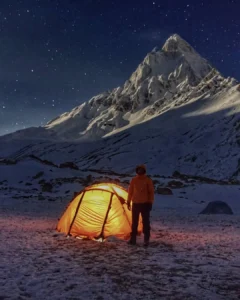
After completing the Kalindi Khal Trek Uttarakhand, something shifts inside you. You’ve walked through landscapes that feel prehistoric—untouched, uncaring, magnificent. You’ve slept under star-studded skies where the Milky Way looks close enough to touch.
You’ve also faced genuine danger, pushed past perceived limits, and returned with stories that sound unbelievable to anyone who hasn’t been there.
The Kalindi Khal isn’t just a trek; it’s a pilgrimage for those who worship mountains.
Conclusion: Is the Kalindi Khal Trek Calling Your Name?
The Kalindi Khal Trek represents the pinnacle of high-altitude trekking in India. It’s brutally difficult, occasionally dangerous, and absolutely unforgettable. The Kalindi Khal Trek Route weaves through some of the most spectacular mountain terrain on Earth, connecting two sacred sites through a passage that demands respect, preparation, and humility.
If you’ve got serious trekking experience, proper training, the right gear, and a healthy respect for the mountains, this legendary crossing might be your next great adventure. But if you’re still building your high-altitude resume, bookmark this one for later. The Kalindi Khal Pass will still be there, waiting, when you’re truly ready.
Key Takeaways:
- Extremely difficult trek requiring technical mountaineering skills
- 12-14 days covering 95-105 km through high-altitude terrain
- Best attempted in September for optimal conditions
- Budget ₹55,000-₹65,000 for organized expeditions
- Requires IMF permissions and thorough preparation
- Not suitable for beginners—serious experience mandatory
Remember: Mountains will always be there. Make sure you’re properly prepared to meet them.
Frequently Asked Questions (FAQs)
Q1: How difficult is the Kalindi Khal Trek compared to other Himalayan treks?
The Kalindi Khal Trek is exponentially harder than popular treks like Kedarnath, Roopkund, or even Stok Kangri. It requires technical mountaineering skills including rope work, crampon use, and glacier navigation. Only attempt this if you’ve successfully completed multiple high-altitude treks above 5,000 meters.
Q2: Can beginners attempt the Kalindi Khal Pass Trek?
Absolutely not. The Kalindi Khal Pass Trek is exclusively for experienced trekkers with proven high-altitude experience and technical climbing skills. Beginners attempting this trek risk serious injury or death. Build your experience gradually through progressively difficult treks first.
Q3: What is the total Kalindi Khal Trek Cost Per Person for a budget expedition?
The Kalindi Khal Trek Cost Per Person ranges from ₹45,000 for basic group treks to ₹65,000+ for premium expeditions with better logistics. Independent treks can cost ₹90,000-₹1,60,000 when including gear, permits, guides, and emergency funds. Never compromise on safety to save money.
Thank you for reading! If you found this guide helpful, check out our previous article on:
- Buran Ghati Trek
- Kedarkantha Trek
- Triund Trek Height
- Nathula Pass height in feet
- Chandrashila Height in Feet
- Netravati Trek distance
- Chandrashila Height in Feet
- Manimahesh Trek Distance
- Churdhar Trek Distance
- Jalori Pass Trek
- Kheerganga Trek Distance
- Harihar Fort Trek
- Yulla Kanda Trek
- Kinnaur Kailash Trek Distance
यात्रा से जुड़े बेहतरीन सुझाव और जानकारी के लिए TravelWikiTips.Com आपका सही साथी है।
अधिक जानकारी के लिए आप Kalindi Pass पर भी देख सकते हैं।
