

Last Updated: December 3, 2025
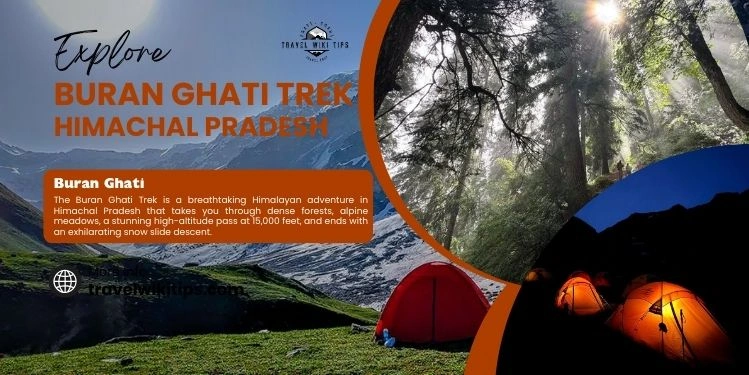
Direct Answer: The Buran Ghati Trek is a breathtaking Himalayan adventure in Himachal Pradesh that takes you through dense forests, alpine meadows, a stunning high-altitude pass at 15,000 feet, and ends with an exhilarating snow slide descent.
Disclaimer: Trekking involves inherent risks. Weather conditions, individual fitness levels, and mountain environments can change rapidly. Always trek with certified guides, obtain proper permits, and consult medical professionals before attempting high-altitude treks. The Buran Ghati Trek Cost and conditions mentioned are based on 2025 data and may vary.
Quick Stats Table
| Trek Detail | Information |
|---|---|
| Location | Himachal Pradesh, India |
| Buran Ghati Trek Distance | Approximately 35-37 km |
| Buran Ghati Trek Height | 15,000 feet (4,572 meters) at the pass |
| Buran Ghati Trek Best Time | May-June & September-October |
| Difficulty Level | Moderate to Challenging |
| Buran Ghati Trek Cost | ₹9,000 – ₹15,000 (varies by operator) |
| Duration | 7-8 days |
| Base Camp | Janglik village |
| Nearest Town | Shimla |
What Makes Buran Ghati Trek So Special?
Picture this: You’re standing at 15,000 feet, surrounded by snow-capped peaks that seem to touch the clouds. Behind you lies a challenging climb. Ahead? A thrilling slide down a snow slope that’ll make your heart race faster than a mountain stream.
That’s the Buran Ghati Trek for you—a perfect cocktail of adventure, beauty, and that sweet sense of accomplishment that keeps trekkers coming back for more.
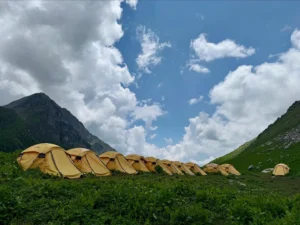
Unlike many Himalayan treks that follow predictable patterns, Buran Ghati throws surprises at you like confetti at a celebration. You’ll walk through ancient pine forests where sunlight filters through like nature’s own spotlight, cross gushing streams that sing mountain songs, and camp beside alpine meadows that look like someone spilled green paint across the landscape.
But here’s the kicker—the trek’s crown jewel is the Buran Ghati pass itself. It’s not just another mountain crossing. It’s a legitimate adventure that tests your grit while rewarding you with views that’ll make your Instagram followers weep with envy.
Understanding the Buran Ghati Trek Route
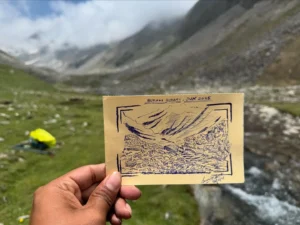
The Buran Ghati Trek starts from Janglik village, a tiny Himalayan hamlet where time moves at its own leisurely pace. From here, the journey unfolds like chapters in an adventure novel.
Day-by-Day Journey Breakdown
Day 1: Reaching Base Camp Your adventure begins in Shimla, the charming hill station that serves as your gateway. A scenic drive takes you to Janglik, where you’ll meet your fellow trekkers and guides. The anticipation builds as you spot the mountains in the distance.
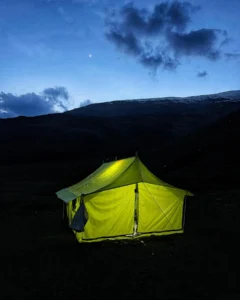
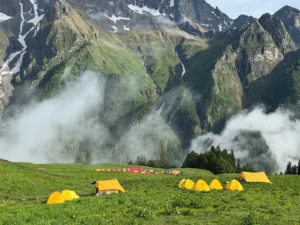
Days 2-3: Into the Wilderness The initial days take you through dense forests of oak, pine, and rhododendron. The Buran Ghati Trek Distance covered during these days is moderate, allowing your body to acclimatize. You’ll camp at Dayara Thatch, a beautiful meadow that feels like nature’s own living room.
Days 4-5: Approaching the Pass Things get serious now. The trail steepens as you approach Litham and Dhunda campsites. The Buran Valley reveals itself in all its glory—vast, pristine, and utterly mesmerizing. The Weather Shamri Buran area can be unpredictable, so flexibility becomes your best friend.
Day 6: Summit Day This is where legends are made. The climb to the Buran Ghati pass demands everything you’ve got. But wait—the descent is where things get wild. You’ll slide down a steep snow slope that’s equal parts terrifying and thrilling. It’s like nature’s own adventure park, minus the safety nets and liability waivers.
Days 7-8: The Return The descent takes you through different terrain, eventually leading to Barua village. Your legs might be wobbly, but your spirit? Sky-high.
Buran Ghati Trek Best Time: When Should You Go?
Timing isn’t just important—it’s everything when it comes to the Buran Ghati Trek.
Prime Season (May-June)
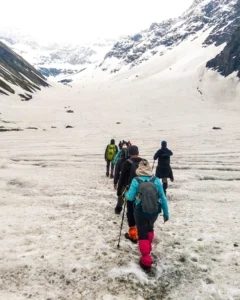
These months are the trek’s golden period. The Buran Ghati Weather is relatively stable, with daytime temperatures ranging from 10-15°C. Snow still blankets the pass, making that famous slide possible. Wildflowers explode across the meadows like nature decided to throw a color party.
Pros:
- Clear skies and excellent visibility
- Perfect snow conditions for the pass crossing
- Comfortable camping temperatures
- Vibrant landscapes
Cons:
- Peak season means more trekkers
- Slightly higher Buran Ghati Trek Cost due to demand
Autumn Window (September-October)
This is when the Buran Ghati Trek shows its mature, sophisticated side. The monsoons have retreated, leaving behind crystal-clear air and dramatic landscapes.
Pros:
- Fewer crowds than summer
- Spectacular mountain views
- Stable weather patterns
- Potentially lower costs
Cons:
- Colder temperatures, especially at night
- Less snow on the pass
- Shorter daylight hours
Seasons to Avoid
Monsoon (July-August): The Buran Wind and rain can make trails slippery and dangerous. Leeches become unwelcome hiking companions.
Winter (November-April): Heavy snowfall makes the Buran Ghati Trek extremely challenging and risky. Even experienced mountaineers think twice.
Buran Ghati Trek Height & Altitude Challenges
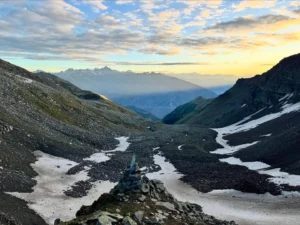
Let’s talk numbers. The Buran Ghati Trek Height peaks at 15,000 feet—that’s nearly three miles above sea level. At this altitude, the air contains about 40% less oxygen than at sea level.
What This Means for Your Body
Your body is an amazing machine, but it needs time to adjust. Altitude sickness isn’t a sign of weakness—it’s physics. Even Olympic athletes can struggle at high altitudes.
Common Symptoms to Watch For:
- Headaches that feel like your brain is throwing a tantrum
- Nausea and loss of appetite
- Dizziness and fatigue
- Shortness of breath during simple activities
Acclimatization Strategy
The Buran Ghati Trek Distance is designed with gradual altitude gain, but you need to do your part:
- Hydrate like it’s your job: Drink 3-4 liters of water daily
- Walk slowly: This isn’t a race
- Listen to your body: Rest when needed
- Eat well: Even if you’re not hungry
- Skip alcohol: Save celebrations for lower altitudes
Buran Ghati Trek Cost: Budget Breakdown
Money talk—everyone’s favorite topic. The Buran Ghati Trek Cost typically ranges from ₹9,000 to ₹15,000, depending on several factors.
Cost Comparison Table
| Expense Category | Budget Option | Premium Option |
|---|---|---|
| Trek Package | ₹9,000 – ₹11,000 | ₹13,000 – ₹15,000 |
| Transportation to Base | ₹1,500 – ₹2,000 | ₹2,500 – ₹3,500 |
| Equipment Rental | ₹2,000 – ₹3,000 | Owned gear |
| Personal Expenses | ₹1,000 – ₹2,000 | ₹2,000 – ₹3,000 |
| Total Estimate | ₹13,500 – ₹18,000 | ₹17,500 – ₹21,500 |
What’s Typically Included
Most Buran Ghati Trek packages cover:
- Accommodation during the trek (tents/camps)
- All meals from arrival to departure
- Experienced trek leader and support staff
- First aid medical kits
- Permits and forest fees
- Trekking equipment (tents, sleeping bags, etc.)
Hidden Costs Nobody Tells You About
- Tips for guides and porters: Budget ₹500-₹1,000
- Emergency evacuation insurance: ₹300-₹500 (totally worth it)
- Extra snacks and energy bars: ₹500-₹1,000
- Photography expenses: If you’re hiring a photographer
- Equipment you forgot: Rental shops will charge premium prices
Weather Shamri Buran: What to Expect
The Weather Shamri Buran region is as moody as a teenager—beautiful one moment, temperamental the next.
Temperature Ranges
Summer (May-June):
- Day: 10-15°C
- Night: 0-5°C
- Pass: -5 to 0°C
Autumn (September-October):
- Day: 5-10°C
- Night: -5 to 0°C
- Pass: -10 to -5°C
Weather Patterns to Know
The Buran Wind is legendary in these parts. It can pick up suddenly, especially near the pass, turning a pleasant day into a challenging one. Mornings are typically clear, with clouds rolling in by afternoon.
Pro tip: Start your summit push early—like “why-is-my-alarm-ringing-it’s-still-dark” early. By the time afternoon weather kicks in, you’ll be safely on the other side.
Reading the Buran Ghati Trek Map
Understanding the Buran Ghati Trek Map is like having a conversation with the mountain before you actually meet it.
Key Landmarks
- Janglik Village (Start Point): 7,700 feet
- Dayara Thatch: 11,000 feet—your first major campsite
- Litham Camp: 11,500 feet—things get serious
- Dhunda Camp: 13,000 feet—the last stop before glory
- Buran Ghati Pass: 15,000 feet—the money shot
- Barua Village (End Point): 7,500 feet
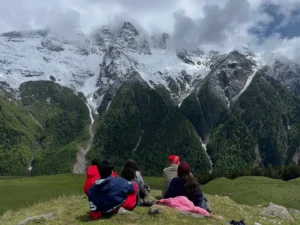
The beauty of the Buran Ghati Trek Map is its variety. You’re not just walking in circles—you’re crossing an entire mountain range, entering from one valley and exiting through another. It’s a traverse trek, which automatically makes it cooler than your average up-and-down route.
Physical Preparation: Getting Trek-Ready
Let’s be honest—scrolling through photos of the Buran Ghati Trek on social media is easy. Actually doing it? That requires preparation.
Training Timeline (8-12 Weeks Before)
Cardiovascular Fitness:
- Running or jogging: 4-5 times per week, 30-45 minutes
- Cycling: Mix in longer rides on weekends
- Swimming: Excellent for building endurance without joint stress
Strength Training:
- Squats and lunges: Your legs will thank you
- Core exercises: Balance on uneven terrain requires a strong core
- Shoulder and back exercises: Carrying that backpack becomes easier
Altitude Simulation:
- If possible, do weekend treks at 8,000-10,000 feet
- Practice hiking with a loaded backpack (8-10 kg)
Final Two Weeks
Taper your training. Let your body recover. Focus on stretching and light exercises. Stress your body now, and it’ll remember during the trek—in all the wrong ways.
Essential Gear & Packing List
The Buran Ghati doesn’t care if you forgot something—mountain rules are unforgiving.
Non-Negotiable Items
Footwear:
- Waterproof trekking boots (broken in!)
- Camp shoes for evening comfort
- Extra socks (moisture-wicking, not cotton)
Clothing Layers:
- Base layer (thermal wear)
- Mid layer (fleece or down jacket)
- Outer layer (waterproof jacket)
- Trek pants (quick-dry material)
- Woolen gloves and warm cap
Technical Gear:
- Trekking pole (seriously, get one)
- Headlamp with extra batteries
- Water bottles or hydration bladder (2 liters minimum)
- Sunglasses (UV protection is crucial)
- Sunscreen (SPF 50+)
Personal Items:
- First aid kit with altitude sickness medication
- Toiletries (biodegradable everything)
- Personal medications
- Energy bars and trail mix
- Camera (those views deserve documentation)
The Buran Valley Experience
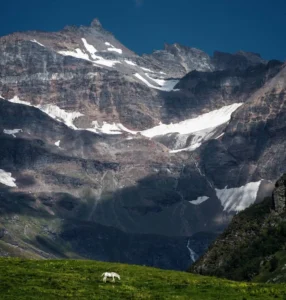
The Buran Valley isn’t just a geographical location—it’s a mood, a vibe, an experience that stays with you long after your boots are cleaned and stored away.
Imagine meadows so green they look photoshopped. Streams so clear you can count pebbles at the bottom. Silence so complete you can hear your own thoughts (scary for some people). That’s Buran Valley on a typical day.
Local shepherds graze their flocks here during summer months. Sitting around a campfire while a shepherd shares stories about these mountains—stories passed down through generations—that’s when the Buran Ghati Trek becomes more than just a physical journey.
The valley also serves as an acclimatization zone. Your body gets comfortable with the altitude here before the big push to the pass. Use this time wisely. Rest. Hydrate. Let the mountain work its magic on your spirit.
Safety Considerations & Risk Management
Adventure is exciting, but stupidity is just stupidity. The Buran Ghati Trek demands respect.
Common Risks
- Altitude Sickness: The biggest threat at Buran Ghati Trek Height
- Weather Changes: That friendly sky can turn hostile quickly
- River Crossings: Streams swell with afternoon meltwater
- Steep Descents: Especially the snow slide section
- Wildlife: This is bear country
Risk Mitigation Strategies
Always trek with certified guides. Yes, they cost money. Know what else costs money? Helicopter evacuations.
Communication plan: Carry a satellite phone or register with local authorities. Most areas have limited or no mobile network.
Emergency protocols: Know the evacuation routes on your Buran Ghati Trek Map. Understand how your trekking company handles emergencies.
Insurance: Get comprehensive travel and trek insurance that covers high-altitude trekking and emergency evacuation.
Cultural Insights: The People & Traditions
The Buran Ghati Trek passes through remote Himalayan villages where life hasn’t changed much in centuries—and that’s beautiful.
Local Communities
The people here practice a mix of Hinduism and Buddhism, with ancient traditions woven into daily life. You might see prayer flags fluttering in the Buran Wind, small temples tucked into impossible locations, and stone walls built to protect crops from wildlife.
Respectful Interaction:
- Ask permission before photographing locals
- Don’t distribute money or sweets to children (promotes begging)
- Dress modestly, especially in villages
- Remove shoes before entering homes or temples
- Support local economy by purchasing from village shops
Environmental Responsibility
These mountains are pristine because people have treated them with respect. Continue that tradition:
- Carry out ALL trash (yes, even biodegradable waste)
- Don’t use soap in streams
- Stick to established trails
- Don’t disturb wildlife or plants
- Keep noise levels down
Leave the Buran Valley exactly as you found it—or cleaner if you can manage it.
Photography Tips for Buran Ghati
The Buran Ghati Trek is a photographer’s paradise, but altitude affects cameras differently than humans.
Technical Considerations
Battery Life: Cold temperatures drain batteries faster. Keep spares in an inner pocket close to your body.
Best Lighting: Golden hour (sunrise/sunset) in the mountains is absolutely magical. The way light hits the Buran Ghati peaks at dawn could make a professional photographer weep.
Shot Composition:
- Wide angles for landscape shots
- Use trekkers in frame for scale (those mountains are HUGE)
- Capture candid moments at camp
- Detail shots of frost, flowers, streams
Weather Protection: Keep your camera wrapped in your jacket during sudden Weather Shamri Buran changes. Moisture and electronics don’t mix.
Food on the Trek
Let’s address the important question: What’s for dinner at 13,000 feet?
The Buran Ghati Trek typically includes three meals daily, and surprisingly, the food is pretty good. Trek cooks are magicians who create hot, nutritious meals in conditions that would make celebrity chefs quit.
Typical Menu:
- Breakfast: Porridge, bread, eggs, tea/coffee
- Lunch: Rice, dal, vegetables, chapatis
- Dinner: Soup, rice/pasta, vegetables, chapatis
- Snacks: Tea and biscuits at camps
Pro Tips:
- Don’t skip meals even if altitude kills your appetite
- Stick to vegetarian food (safer at altitude)
- Carry personal snacks you know your stomach tolerates
- Hot liquids help with acclimatization
The Legendary Snow Slide
No discussion of the Buran Ghati Trek is complete without talking about THE SLIDE.
After hours of climbing to reach the pass, you’d think the descent would be a gradual walk down. Nope. Nature had other plans.
There’s a steep snow slope—about 500 feet—that you’ll slide down on your bottom. It’s exhilarating, terrifying, and absolutely hilarious to watch (and experience). Think sledding, but without the sled, on a Himalayan mountainside, surrounded by peaks that scrape the sky.
Safety gear for the slide:
- Ice axe for control (guides provide this)
- Proper technique training before attempting
- Waterproof pants (you’re going to get wet)
- Complete trust in gravity
Some people scream. Some laugh hysterically. Some do both. But everyone remembers it forever.
Post-Trek Recovery
Congratulations! You conquered the Buran Ghati Trek. Now what?
Immediate Aftermath (Days 1-3)
Your body just did something extraordinary. Treat it accordingly:
- Hydration: Keep drinking water
- Rest: Sleep like you’re hibernating
- Nutrition: Replenish with balanced meals
- Stretching: Gentle yoga helps sore muscles
Long-term (Week 1-2)
- Document: Write about your experience while memories are fresh
- Photo organization: Sort through hundreds of shots
- Gear maintenance: Clean and store equipment properly
- Social sharing: Make everyone jealous with your stories
Comparison with Other Himalayan Treks
How does the Buran Ghati Trek stack up against other popular options?
Trek Comparison Table
| Feature | Buran Ghati | Hampta Pass | Pin Parvati |
|---|---|---|---|
| Difficulty | Moderate-Hard | Moderate | Difficult |
| Height | 15,000 ft | 14,100 ft | 17,500 ft |
| Duration | 7-8 days | 4-5 days | 10-11 days |
| Best Feature | Snow slide | Valley contrast | Remote beauty |
| Cost Range | ₹9k-15k | ₹7k-12k | ₹15k-22k |
The Buran Ghati Trek Distance and difficulty make it perfect for trekkers who’ve done a couple of moderate treks and are ready to level up without jumping into extreme expeditions.
Conclusion: Is Buran Ghati Trek Worth It?
The Buran Ghati Trek is absolutely worth every rupee, every sore muscle, and every early morning wake-up call.
This isn’t just another Himalayan trek. It’s a complete adventure package that tests your limits while rewarding you with experiences that’ll make dinner party stories for years. The Buran Valley serenity, the challenge of Buran Ghati Trek Height, the thrill of that legendary snow slide, and the satisfaction of completing a traverse trek—it all combines into something magical.
Whether you’re motivated by the stunning Buran Ghati Weather during peak season, curious about the Buran Ghati Trek Cost, or simply drawn to the adventure, this trek delivers. It’s accessible enough for determined beginners but challenging enough to satisfy experienced trekkers.
The mountains don’t care about your Instagram followers, your job title, or your bank balance. Up there, you’re just another human trying to place one foot in front of the other. And there’s something beautifully equalizing about that.
So study that Buran Ghati Trek Map, save up that Buran Ghati Trek Cost, check the Buran Ghati Trek Best Time, and book your spot. Your future self—standing at 15,000 feet with wind in your hair and wonder in your heart—will thank you.
Frequently Asked Questions (FAQs)
Q1: Is the Buran Ghati Trek suitable for beginners?
The Buran Ghati Trek is best suited for people who’ve completed at least 1-2 moderate treks before. While not impossible for beginners, the altitude, terrain, and snow slide descent require some trekking experience. If you’re determined and physically fit, it’s doable—but start training at least 2-3 months in advance. Consider easier treks like Kedarkantha or Har Ki Dun first if you’re completely new to trekking.
Q2: What’s the best time to do the Buran Ghati Trek for the snow slide experience?
The Buran Ghati Trek Best Time for experiencing the famous snow slide is May and June. During these months, the pass retains sufficient snow cover to make the slide both safe and thrilling. By September-October, snow coverage reduces significantly, and while the trek remains beautiful, the slide might not be possible. If the snow slide is on your must-have list, book for late May or early June when conditions are typically perfect.
Q3: How difficult is the actual Buran Ghati pass crossing?
The pass crossing is the trek’s most challenging section. You’re climbing steep terrain at 15,000 feet where oxygen is limited. The Buran Ghati Trek Height means you’ll be moving slowly, breathing heavily, and potentially dealing with headaches. The ascent takes 4-6 hours depending on group pace and weather conditions. However, proper acclimatization over previous days makes it manageable for most reasonably fit trekkers. The descent via snow slide is physically easier but requires nerve!
Thank You for Reading!
We hope this comprehensive overview helps you plan your Buran Ghati Trek adventure with confidence! The mountains are calling, and now you know exactly how to answer.
Looking for more trekking adventures? Check out our previous article:
- Darjeeling Me Ghumne Ki Jagah
- Nainital Me Ghumne Ki Jagah: 15+ Jaw-Dropping Spots You Can’t Miss in 2025
- Bhopal Me Ghumne Ki Jagah: 15 शानदार जगहें जो आपको मंत्रमुग्ध कर देंगी
- Dehradun Me Ghumne Ki Jagah: 10+ खूबसूरत जगहें जो आपका दिल जीत लेंगी!
- Kalpa Himachal Pradesh: 12 Stunning Reasons This 2960m Mountain Gem Will Steal Your Heart in 2025
- Shimla Me Ghumne Ki Jagah: 15 Amazing Spots You Can’t Miss in 2025
- Gwalior Me Ghumne Ki Jagah: 15 Amazing Spots You Can’t Miss in 2025
- Mulberry Shades Nandi Hills: Your Perfect Weekend Escape Near Bangalore
यात्रा से जुड़े बेहतरीन सुझाव और जानकारी के लिए TravelWikiTips.Com आपका सही साथी है।
अधिक जानकारी के लिए आप India Hikes पर भी देख सकते हैं।
