

Last Updated: December 31, 2025
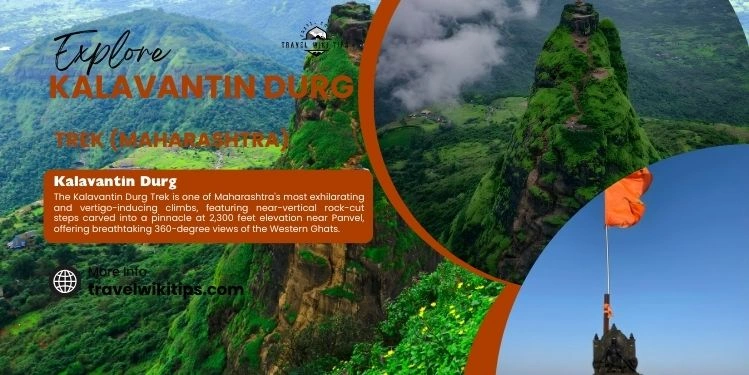
The Kalavantin Durg Trek is one of Maharashtra’s most exhilarating and vertigo-inducing climbs, featuring near-vertical rock-cut steps carved into a pinnacle at 2,300 feet elevation near Panvel, offering breathtaking 360-degree views of the Western Ghats.
Disclaimer: This article provides general information about the Kalavantin Durg Trek based on trekker experiences, local guide consultations, and available historical records. Trek conditions, weather patterns, and local regulations may change. Always verify current conditions before your trek, assess your personal fitness honestly, and consider hiring experienced local guides. The author and publisher assume no liability for accidents, injuries, or incidents occurring during your trek.
Trek Overview Table
| Feature | Details |
|---|---|
| Altitude | 2,300 feet (701 meters) |
| Base Village | Thakurwadi, near Panvel |
| Trek Distance | 3-4 km (one way) |
| Trek Duration | 3-4 hours (round trip) |
| Difficulty Level | Moderate to Difficult |
| Best Season | October to March (post-monsoon, winter) |
| Nearest City | Mumbai (60 km), Pune (100 km) |
| Region | Western Ghats, Maharashtra |
What Makes Kalavantin Durg So Special?
Imagine climbing steps that feel like they’re suspended in mid-air, with nothing but clouds beneath your feet and eagles circling at eye level. That’s the Kalavantin Durg Trek for you—a journey that tests your courage as much as your stamina.
Unlike typical hill treks with gentle slopes, Kalavantin Durg throws you straight into an adrenaline-pumping vertical climb. The final section features approximately 60-degree inclined rock-cut stairs that seem to defy gravity. One misstep? Well, let’s just say you’ll want to keep your eyes on the path, not the drop!
What’s fascinating is the historical mystery surrounding this fort. Legend has it that Queen Kalavantin, a fictional or semi-mythical figure, had this fort built as her residence. Some stories claim she was so beautiful that she rejected a local king’s marriage proposal, prompting him to build these impossible stairs to prove his love. Romantic? Absolutely. Terrifying to climb? You bet!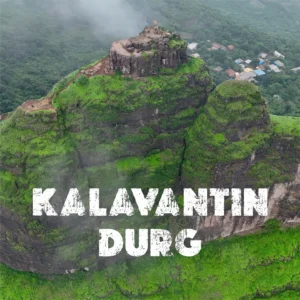 Starting Point: How to Reach Kalavantin Fort
Your adventure to Kalavantin Durg begins at Thakurwadi village, a small settlement that serves as the base camp for trekkers. Getting here is straightforward:
From Mumbai: Drive via the Mumbai-Pune Expressway, take the Shedung exit toward Panvel, and follow signs to Thakurwadi. The journey takes about 90 minutes.
From Pune: Head toward Panvel via the expressway, approximately a 2-hour drive.
By Train: Reach Panvel railway station, then hire a cab or auto-rickshaw to Thakurwadi (about 25 km).
Pro tip: Start your trek early morning—around 6-7 AM. Not only will you beat the heat, but sunrise views from Kalavantin Pinnacle are absolutely magical. Plus, you’ll have enough daylight to complete the round trip safely.
The Trek Route: What to Expect Step-by-Step
Phase 1: Village to Base (45 minutes)
The Kalavantin Durg Trek starts with a pleasant walk through rural landscapes. You’ll pass local houses, agricultural fields, and friendly villagers who’ve seen thousands of trekkers attempt this climb. The path is well-marked with occasional stone markers.
Phase 2: Gradual Ascent Through Forest (60 minutes)
Next comes a moderate uphill climb through scattered vegetation. The terrain transitions from village roads to rocky pathways. This section is relatively easy—consider it your warm-up before the real challenge begins.
Phase 3: The Infamous Rock-Cut Stairs (30-45 minutes)
Here’s where the Kalavantin Durg Trek earns its reputation! You’ll encounter approximately 40-50 ancient rock-cut steps carved directly into the mountain face. These stairs are:
- Extremely steep (almost 60-70 degrees in some sections)
- Narrow (barely wide enough for one person)
- Exposed on one side with sheer drops
The Kalavantin Durg Trek Difficulty Level spikes dramatically here. If you have acrophobia (fear of heights), this section will test every ounce of your mental strength. But here’s the beautiful part: locals and experienced trekkers are always around to offer guidance and encouragement.
Phase 4: Summit Plateau
Once you conquer those nerve-wracking stairs, you’ll reach a relatively flat summit area. Catch your breath, hydrate, and prepare for views that’ll make every challenging moment worthwhile.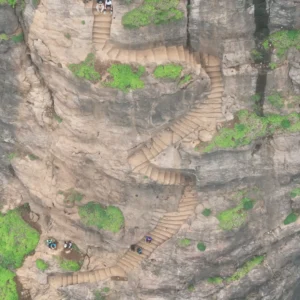 Kalavantin Durg Photos: Visual Feast Awaits
If you’re a photography enthusiast, Kalavantin Durg Photos will dominate your camera roll for months! Here’s what you can capture:
Sunrise Shots: The sun rising over the Sahyadri ranges creates golden hour magic. The interplay of light and shadow across valleys is mesmerizing.
Aerial-Like Views: Standing atop Kalavantin Pinnacle, you’ll get drone-like perspectives of neighboring Prabalgad Fort, lush valleys, and distant villages looking like miniature models.
The Stairs Themselves: Those death-defying rock-cut steps make for dramatic photographs—just make sure someone’s holding your other hand while you shoot!
Cloud Formations: During monsoon aftermath (October-November), clouds often settle below the summit, creating a surreal “walking on clouds” effect.
Pro tip for photographers: Bring a wide-angle lens to capture the expansive landscapes and a telephoto for distant fort ruins and valley details.
Historical Background: The Legend of Kalavantin Fort
The Kalavantin Durg History is shrouded in folklore rather than documented facts. According to popular legend, Queen Kalavantin was a courtesan or princess of extraordinary beauty. When a powerful king proposed marriage, she set an impossible condition: he must build her a fort atop this intimidating pinnacle.
Whether this tale holds water or not remains debatable among historians. What’s undeniable is the architectural marvel of those hand-carved stairs. Imagine workers chiseling rock faces centuries ago without modern equipment—the engineering feat alone commands respect.
Some historians believe Kalavantin Fort served as a watchtower or outpost connected to the larger Prabalgad Fort complex, providing strategic surveillance over trade routes below.
Today, minimal structural remains exist at the summit—mostly rubble and foundational stones. The main attraction is the trek itself and those jaw-dropping views.
Best Time for Kalavantin Durg Trek
Season Comparison Table
| Season | Pros | Cons | Recommendation |
|---|---|---|---|
| Monsoon (June-Sept) | Lush greenery, waterfalls, dramatic clouds | Slippery stairs, leeches, visibility issues | Avoid unless experienced |
| Post-Monsoon (Oct-Nov) | Perfect weather, clear views, manageable crowds | Occasional rain | Excellent choice |
| Winter (Dec-Feb) | Cool climate, excellent visibility, dry trails | Can get chilly at summit | Best time overall |
| Summer (Mar-May) | Clear skies | Scorching heat, dehydration risk | Early morning starts only |
The consensus among regular trekkers? October through February offers the goldilocks zone—not too hot, not too wet, just right for conquering Kalavantin Durg Trek.
Trek Difficulty & Fitness Requirements
Let’s be honest about the Kalavantin Durg Trek Difficulty Level: it’s not for absolute beginners or those with significant health issues.
Who Should Attempt:
- People with moderate fitness levels
- Those comfortable with heights (or willing to conquer their fear)
- Individuals without knee or ankle problems
- Anyone seeking an adrenaline-pumping adventure
Who Should Reconsider:
- First-time trekkers (try easier treks first)
- People with severe acrophobia
- Those with heart conditions or respiratory issues
- Children under 10 years old
Fitness Preparation: Start training 2-3 weeks before your trek. Focus on:
- Stair climbing (buildings, stadium steps)
- Cardiovascular exercises (jogging, cycling)
- Leg strengthening (squats, lunges)
- Core stability exercises
Remember, the Kalavantin Durg Trek Time of 3-4 hours round trip requires sustained energy and mental focus.
Essential Packing List
Here’s what you absolutely need for the Kalavantin Fort Trek:
Footwear: Sturdy trekking shoes with excellent grip (not sneakers or sandals)
Clothing: Comfortable, breathable fabrics, light jacket for summit winds
Hydration: Minimum 2 liters of water per person
Snacks: Energy bars, dry fruits, glucose biscuits
Safety Gear: Basic first-aid kit, whistle, flashlight (if starting early)
Sun Protection: Cap, sunglasses, sunscreen (SPF 30+)
Photography: Charged phone/camera with secure strap
Documentation: ID proof (sometimes checked at base)
What NOT to bring: Heavy backpacks, unnecessary electronics, glass bottles, alcohol, or anything that increases your weight and risk.
Safety Tips: Conquering Kalavantin Pinnacle Responsibly
The vertical stairs of Kalavantin Durg demand respect and caution. Here are life-saving tips:
1. Never Trek Alone: Always go in groups of at least 3-4 people.
2. Check Weather Forecasts: Avoid trekking during heavy rain predictions or extreme heat warnings.
3. Inform Someone: Let family or friends know your trekking schedule and expected return time.
4. Three-Point Contact Rule: On steep sections, always maintain contact with three limbs (both feet and one hand, or both hands and one foot).
5. Don’t Rush: The Kalavantin Fort Trek isn’t a race. Take breaks, assess each step, and climb at your own pace.
6. Descending Protocol: Going down is often trickier than climbing up. Face the mountain, use hands for support, and descend slowly.
7. Emergency Numbers: Save local police (100) and emergency services (108) before losing network coverage.
8. Respect Nature: Carry back all trash, don’t disturb wildlife, and avoid loud music that disrupts the environment.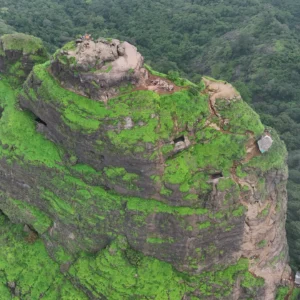 Nearby Attractions: Maximize Your Trip
Since you’re already in the area, consider exploring:
Prabalgad Fort: Located adjacent to Kalavantin Durg, this fort offers another trekking opportunity with relatively easier terrain and historical ruins.
Matheran: India’s smallest hill station is just 30 km away—perfect for a post-trek relaxation day.
Irshalgad Fort: Another moderate trek option approximately 20 km from Thakurwadi.
Chanderi Fort: For history buffs, this fort near Panvel offers insights into Maratha architecture.
Many trekkers combine Kalavantin Durg Trek with Prabalgad Fort in a single day for a comprehensive adventure.
Local Culture & Village Interactions
One of the unexpected joys of the Kalavantin Durg Trek is interacting with Thakurwadi villagers. These warm, hospitable folks have stories passed down through generations about the fort, local legends, and trekking experiences.
Many villagers offer guide services for nominal fees (₹300-500). Hiring a local guide not only ensures you don’t lose your way but also supports the community’s livelihood.
Some families run small tea stalls at the base—enjoying steaming chai before or after your trek while chatting with locals adds authentic flavor to your adventure.
Budget Breakdown: Cost of Kalavantin Fort Trek
Here’s what you’ll spend for a typical day trip:
| Expense | Estimated Cost (INR) |
|---|---|
| Transportation (Mumbai/Pune to base) | ₹800-1,500 |
| Parking (if driving) | ₹50-100 |
| Local Guide (optional) | ₹300-500 |
| Meals & Snacks | ₹200-400 |
| Water & Energy Drinks | ₹100-150 |
| Miscellaneous | ₹200-300 |
| Total Per Person | ₹1,650-3,000 |
The Kalavantin Durg Trek is remarkably budget-friendly compared to organized commercial treks, making it accessible for students and budget travelers.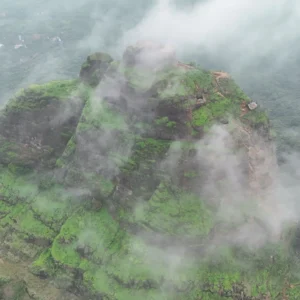 Expert Insights & Pro Tips
From Seasoned Trekkers:
“The mental game is 70% of Kalavantin Durg Trek. Your legs might be fine, but your mind will play tricks on those exposed sections. Talk yourself through it, focus on the next step, not the drop.” — Rahul M., completed 15+ times
“I always descend backwards (facing the mountain) on the steepest sections. It gives better control and reduces fear.” — Priya K., trek leader
“Kalavantin Durg Photos don’t do justice to the actual experience. It’s both scarier and more beautiful in person.” — Amit S., photographer
Environmental Concerns & Responsible Trekking
The increasing popularity of Kalavantin Fort Trek has led to some environmental challenges:
Littering Issues: Despite awareness campaigns, plastic bottles and food wrappers still plague the trail.
Trail Erosion: Heavy foot traffic during peak season causes soil erosion on certain sections.
Water Scarcity: Locals sometimes face water shortages due to increased trekker demand.
Your Responsibility:
- Carry reusable water bottles
- Pack out everything you pack in
- Use designated restroom facilities at base village
- Donate to local conservation efforts if possible
- Stick to marked trails to prevent vegetation damage
Conclusion: Should You Attempt Kalavantin Durg Trek?
If you’re seeking an adventure that combines physical challenge, historical intrigue, breathtaking scenery, and a hefty dose of adrenaline, the Kalavantin Durg Trek deserves a top spot on your bucket list.
Yes, those rock-cut stairs will make your heart race (and maybe skip a beat or two). Yes, you’ll question your life choices midway through the climb. But reaching Kalavantin Pinnacle, standing atop those ancient stones with panoramic Western Ghats vistas spreading endlessly—that moment makes every nervous step worthwhile.
The Kalavantin Durg Trek isn’t just about conquering a mountain; it’s about conquering your fears, pushing your limits, and creating memories that’ll fuel your adventure stories for years.
So lace up those trekking boots, pack light but smart, respect the mountain and its history, and get ready for one of Maharashtra’s most thrilling outdoor experiences. The queen’s fort awaits your arrival!
Frequently Asked Questions
1. Is Kalavantin Durg Trek suitable for beginners?
The Kalavantin Durg Trek is rated moderate to difficult, primarily due to the near-vertical rock-cut stairs in the final section. While the initial portions are manageable for beginners, the exposed steep stairs require confidence with heights and reasonable fitness. First-time trekkers should consider starting with easier treks like Lohagad or Rajmachi before attempting Kalavantin Fort Trek. That said, many beginners have successfully completed it with proper preparation, slow pacing, and possibly a local guide’s assistance.
2. How long does the Kalavantin Durg Trek take to complete?
The Kalavantin Durg Trek Distance is approximately 3-4 km one way from Thakurwadi village. Most trekkers complete the round trip in 3-4 hours, including rest breaks and summit time. However, your Kalavantin Durg Trek Time depends on fitness level, weather conditions, crowd density on stairs, and how long you spend at the top. Plan for 4-5 hours total to avoid rushing, which is dangerous on exposed sections.
3. What is the best time of year for Kalavantin Fort Trek?
The ideal months for Kalavantin Durg Trek are October through February. Post-monsoon months (October-November) offer lush greenery, pleasant weather, and clear visibility. Winter months (December-February) provide crisp air and excellent photographic conditions. Avoid monsoon season (June-September) due to slippery stairs and reduced visibility. Summer treks (March-May) are possible but require very early starts to beat the heat.
Thank you for reading our complete guide to the Kalavantin Durg Trek! We hope this article helps you prepare for an unforgettable adventure. For more thrilling trekking destinations in Maharashtra, check out our previous article on:
- Buran Ghati Trek
- Kedarkantha Trek
- Triund Trek Height
- Nathula Pass height in feet
- Chandrashila Height in Feet
- Netravati Trek distance
- Chandrashila Height in Feet
- Manimahesh Trek Distance
- Churdhar Trek Distance
- Jalori Pass Trek
- Kheerganga Trek Distance
- Harihar Fort Trek
- Yulla Kanda Trek
- Kinnaur Kailash Trek Distance
- Kalindi Khal Trek
- Khaliya Top Munsiyari
यात्रा से जुड़े बेहतरीन सुझाव और जानकारी के लिए TravelWikiTips.Com आपका सही साथी है।
अधिक जानकारी के लिए आप Tripadvisor पर भी देख सकते हैं।